
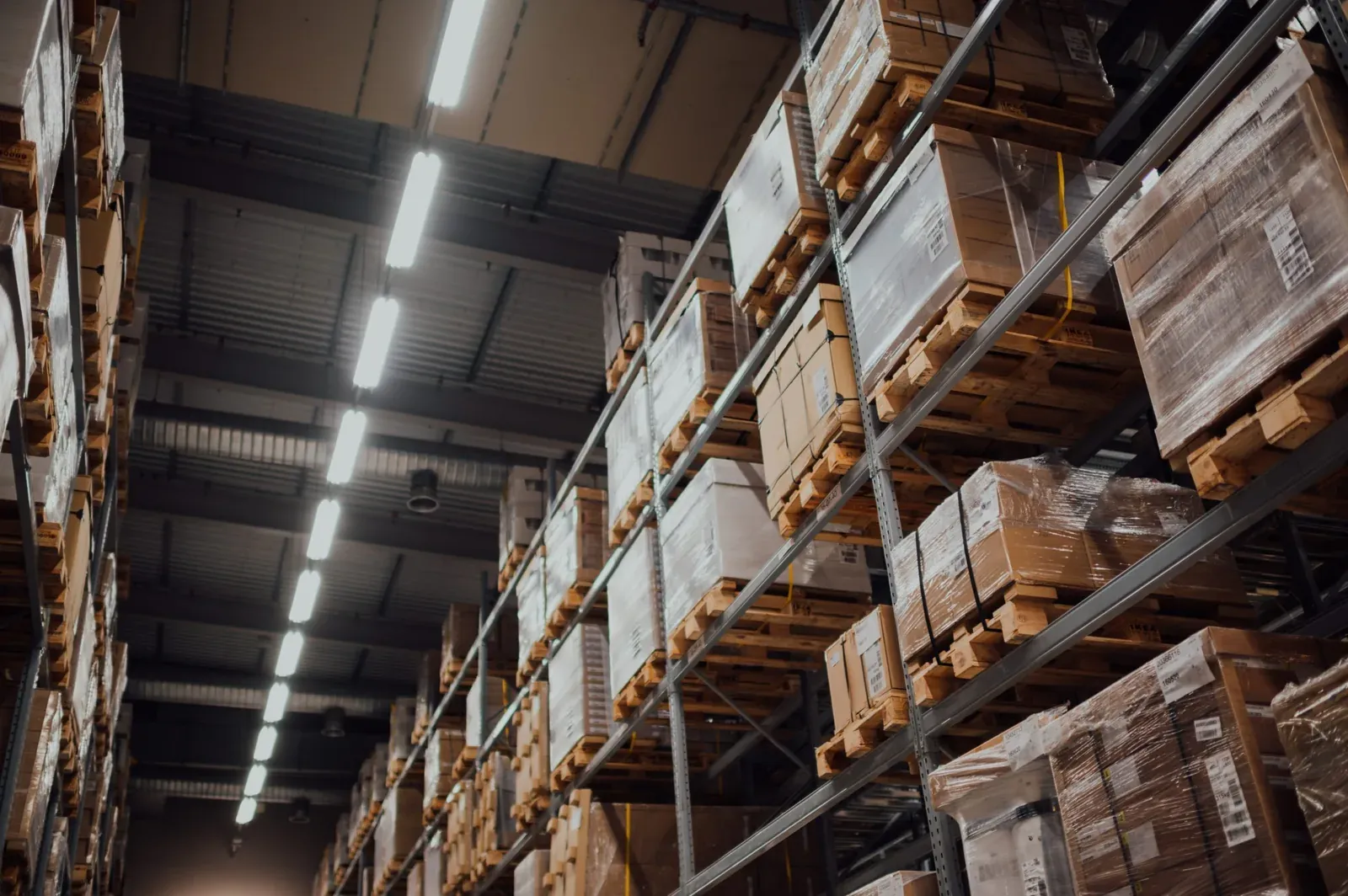
Logistics management covers everything from storage or dropshipping and stock control to picking, packing and shipping to the customer, as well as exchanges and returns. It plays a key role.
Logistics for eCommerce matters because it covers all the actions you need to carry out from the moment someone places their order until they receive it.
The pandemic has cemented the importance of online shopping to the point of turning it into a buyer habit.
This is what this blog will cover:
- Storage options
- Product delivery options
- Reverse logistics
1. Storage options
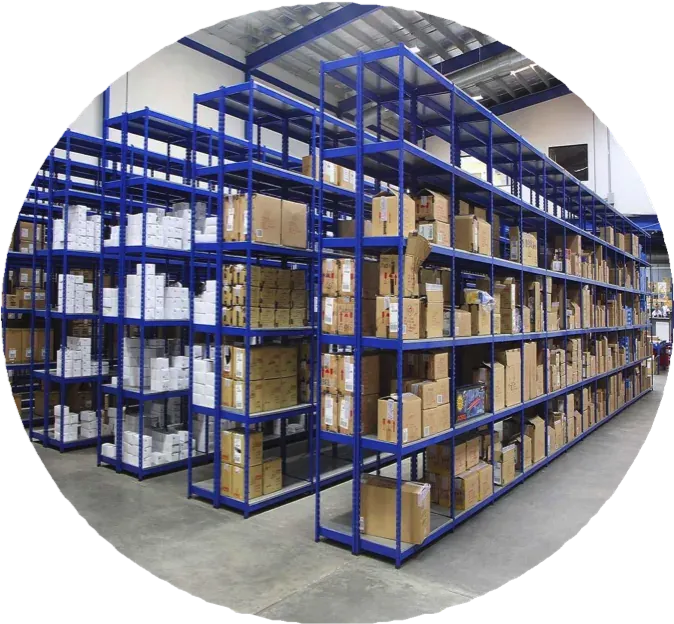
When we talk about storage, we can see 3 options: your own warehouse, cross-docking and an outsourced warehouse, while if you decide against a warehouse there is the dropshipping option.
- Own warehouse: the company itself has a warehouse; depending on the size of the business, this can be an industrial unit or something more complex.
Advantages:
- Inventory control
- Synergies in the picking processes
- Shipping optimization
- Reliable shipments
- Standardized reverse logistics
Disadvantages:
- High fixed cost
- Stock cost dependent on demand variability
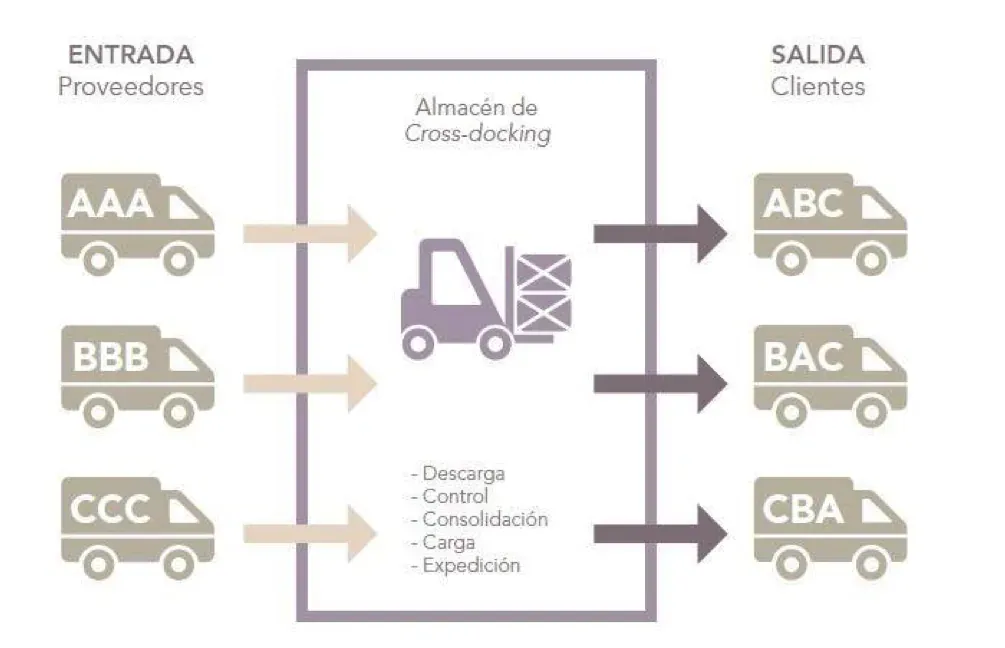
Cross-docking: the goods delivered by the supplier are consolidated and shipped directly to the end customer. Ideal for businesses with few SKUs, such as flash sales or perishable products.
Advantages:
- No intermediate storage is required, which shortens the time of logistics operations and, with it, the costs of receiving, storage and picking.
Disadvantages:
- Hard to implement in eCommerce with many SKUs.
Outsourced warehouse or logistics outsourcing: this is a service that companies hire to outsource their operational processes such as packaging, picking, handling in general, storage and distribution of goods.
Advantages:
- Little financial investment in infrastructure and technology.
- Variable cost based on order volume.
- Logistics experts.
- Leaner company structure.
- Greater scalability and flexibility.
Disadvantages:
- Less control over operations.
- Technological integration with the logistics operator is required.
- Logistics provider with access to confidential business information.
- The estimated savings may not be what you expected.
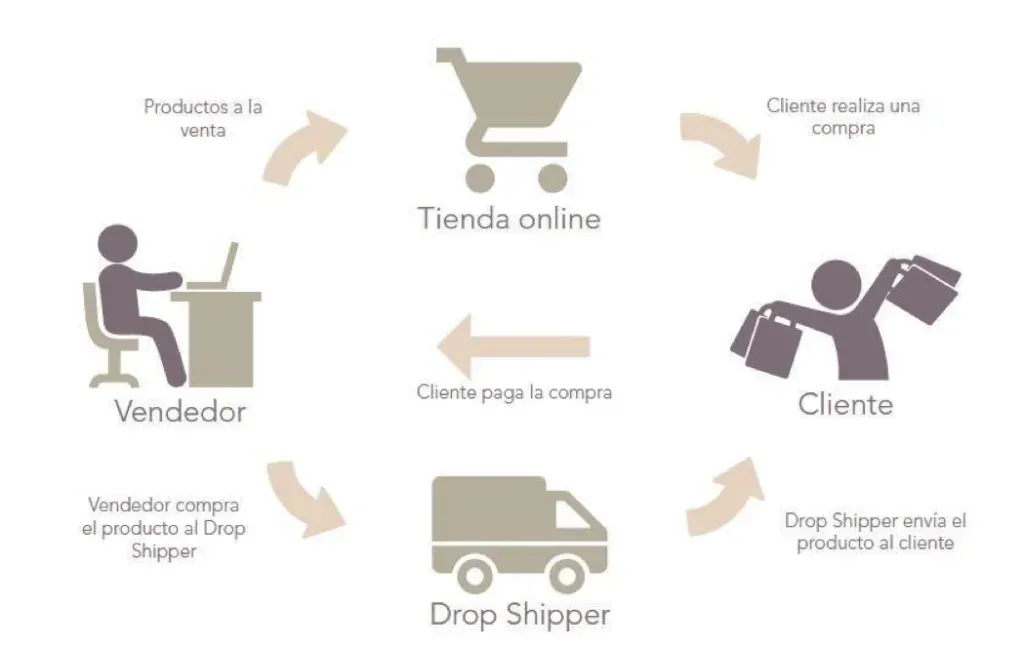
Dropshipping: you don’t need to physically hold the stock. It is the wholesaler (or dropshipper) who takes care of storing, preparing and shipping the order.
Advantages:
- No stock is stored
- No logistics operations are carried out.
- A good alternative for starting an online business, since it requires little investment, is easy to run and is scalable.
Disadvantages:
- Margins are usually low.
- You depend on the wholesaler’s technology to keep an up-to-date online inventory.
- Zero control over shipping.
2. Product delivery options
When it comes to delivery in online sales.
- Delivery to a postal address (home/office)
- Post offices
- Convenience point networks (Seur, Kiala, etc.)
- Lockers or parcel points
- Delivery in physical stores (click & collect) – The customer reserves online and pays in store / In-store preparation – The customer pays for the order online and picks it up in store / Warehouse preparation
Variables for selecting a logistics operator
- Characteristics of the items to be transported
- Geographic scope of the delivery
- Delivery time: Customer – Are they willing to wait for the order? – Are they willing to pay the shipping costs for an express delivery? –
- Value-added services
- Rates
3. Reverse logistics
Causes that trigger reverse logistics:
- Items not ordered
- Returns
- Damaged goods
- Items under warranty
Stages of reverse logistics:
- Product collection from the customer: active or passive
- Reconditioning: content validation and refund or exchange
- Reintegration into stock: products in perfect condition
- Liquidation of returned stock: own sales, distributors, etc.
Rejections and returns:
– Rejections:
- It was not accepted as satisfactory by the customer at the moment of delivery.
- The product could not be delivered for various reasons.
– Returns:
- A product that, after being received as satisfactory by the customer, is returned.
- Products returned in perfect condition because customers exercise their right of withdrawal.
- Products returned because they have some fault and therefore customers exercise their right to a legal warranty.
- The return amount can absorb the sales margin or even make us incur losses.
Often, when these returns are international, the return can absorb the sales margin or even make us incur losses.
– Examples:
30-day return: if it is not Amazon’s error, you pay for the return at the post office or from home

14 calendar days for returns due to breakage or receiving the wrong products.

Returns within 100 days, always

Discover how to sell more online with the help of the description and characteristics of your digital consumer.