
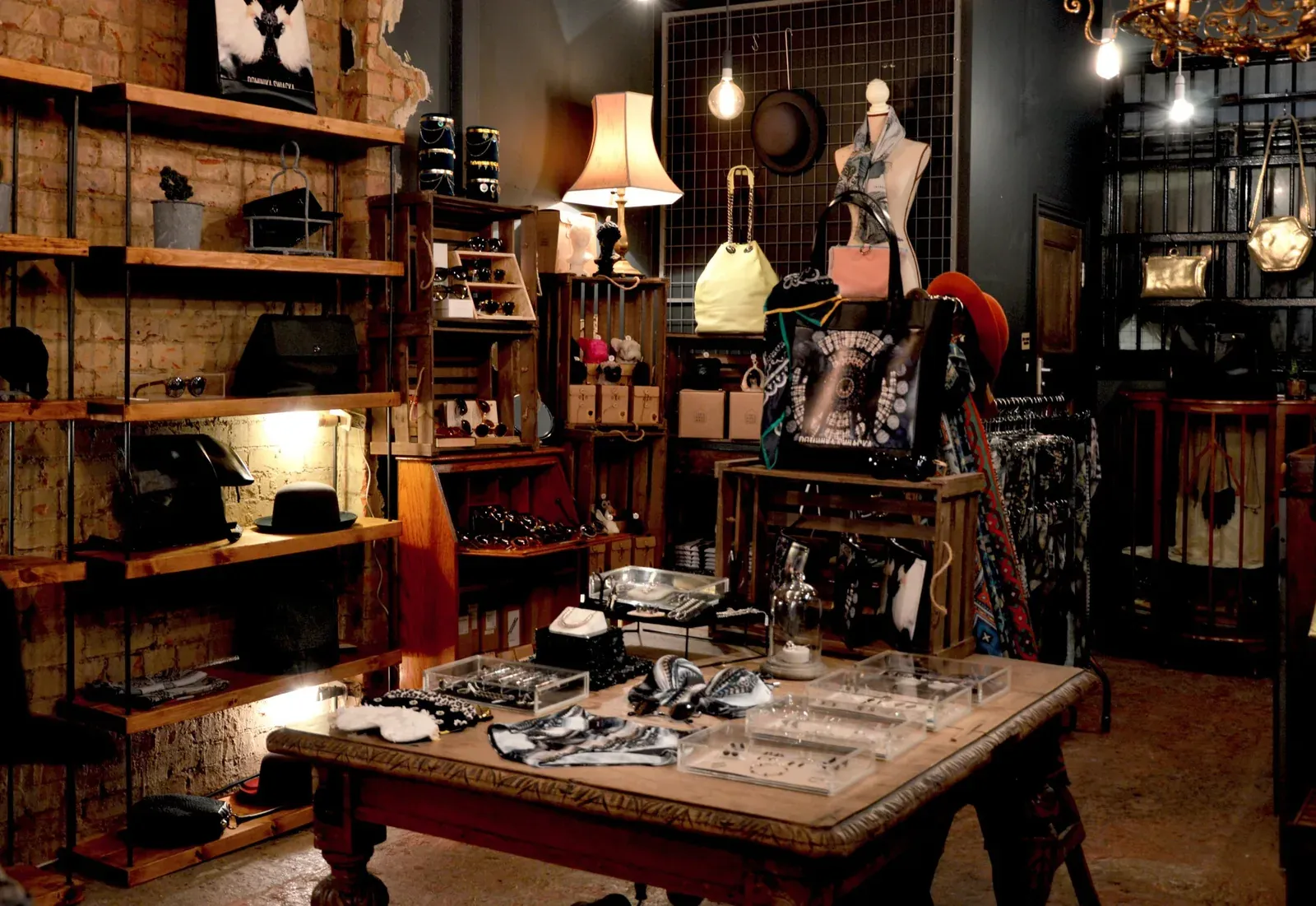
When it comes to a store’s image, there are a number of aspects that make customers feel comfortable inside the premises, both to extend their stay and to create a rewarding experience that encourages them to visit again.
- Visibility
- Spaciousness
- Color
- Decoration
- Music
- Order
- Cleanliness and upkeep
- Temperature
- Fragrances
Visibility
This aspect can be considered from two angles. On one hand, every corner of the premises should be visible from the entrance, unless there are architectural constraints in the space.
On the other hand, you should convey the feeling that everything is within the customer’s reach, meaning there are no inaccessible products (items placed too high or impossible to grab, products located behind the counter, etc.), with the exception of traditional-style shops.
Spaciousness
You should convey a sense of spaciousness, always avoiding any obstacles on the floor or hanging from the ceiling, so that customers can move around calmly and feel as comfortable as if they were in their own home.
Above all, you should avoid letting products pile up as a result of tight spaces, since overcrowding can create a feeling of claustrophobia that keeps customers from walking through an area or even makes them leave the store altogether.
Color
You should aim to make appropriate use of color, applying the colors from your corporate identity throughout the point of sale as much as possible.
Decoration
The business should include decorative elements (mosaics, mirrors, plants, etc.), some of which should be in keeping with the company’s line of business.
Music
It is worth distinguishing between music and public-address advertising. The former is background sound that we barely perceive consciously and consists exclusively of melodies.
The public-address system, on the other hand, combines a musical element with a spoken message, whether a welcome or an announcement about a new arrival or promotion.
Music is typically used to relax customers, make the shopping experience more pleasant, and influence the final outcome. The music selection should be tuned to match the target audience.
Research has shown that:
The use of certain melodies influences consumer behavior through the connotations that those melodies have for the visitor.
The pace at which customers move around the point of sale is closely linked to the rhythm of the music and the volume playing at that moment.
So, if the store is quiet and you want to keep the customers who are already inside, a slow rhythm would be ideal; whereas if the premises are very busy and you want to ease the crowding a little, an upbeat melody would be the way to go.
Order
There should be signs indicating the exact location of the different sections and product families, so that the assortment does not get mixed up, always helping customers find products.
This does not apply to certain traditional-style shops that lack products displayed in a self-service format.
Cleanliness and upkeep
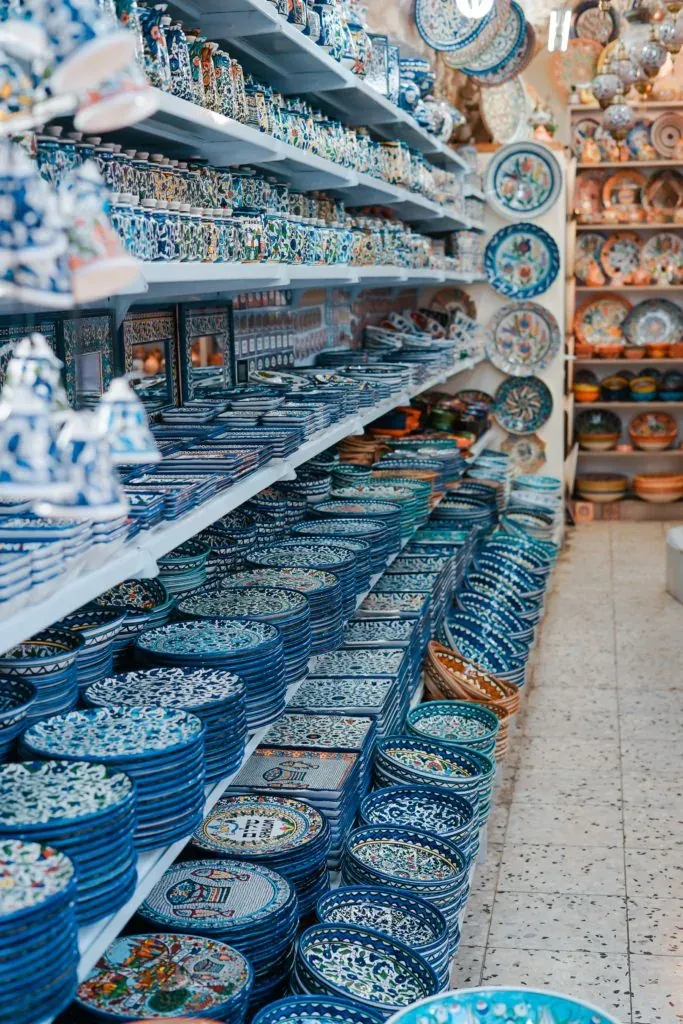
The premises must be kept in perfect condition of cleanliness and upkeep across all installations (floors and walls, product display furniture, the counter, price rails, decorative elements, the products on display and the fitting rooms).
This requires, on one hand, frequent cleaning and, on the other, repairing any damage to walls, floors, ceilings and so on, in order to avoid presenting a poor image to the customer.
The ceiling should not be excessively high if you want to create a cozy atmosphere, nor too low, since that would create a stifling feeling. The floor should be comfortable, safe, easy to clean and resistant to wear.
Temperature
Temperature is a very important factor to keep in mind. You should avoid extreme heat, which can discourage customers from entering, as well as intense cold, which can cause customers to leave the premises quickly.
Fragrances
The main goal of introducing fragrances and reflecting them in the point-of-sale image is to counter any unpleasant odors and create a pleasant sensation for customers while they remain on the premises.
According to a study conducted by the University of Utrecht involving 3,500 consumers, customers believe that products in a store that uses fragrances are better than those in a store that does not, going so far as to stay longer and spend more money. The scent should be in harmony with the products being sold.
From this perspective, we can find two types of establishment:
-
One type of point of sale (bakeries and pastry shops, restaurants, etc.) that, by the nature of their activity, give off scents resulting from the preparation of their products.
-
Another type in which no products are made, so scent diffusers are used to release aromas related to the products being sold (a wax scent for furniture, a “new” smell for audio equipment, a perfume scent for lingerie, etc.).