
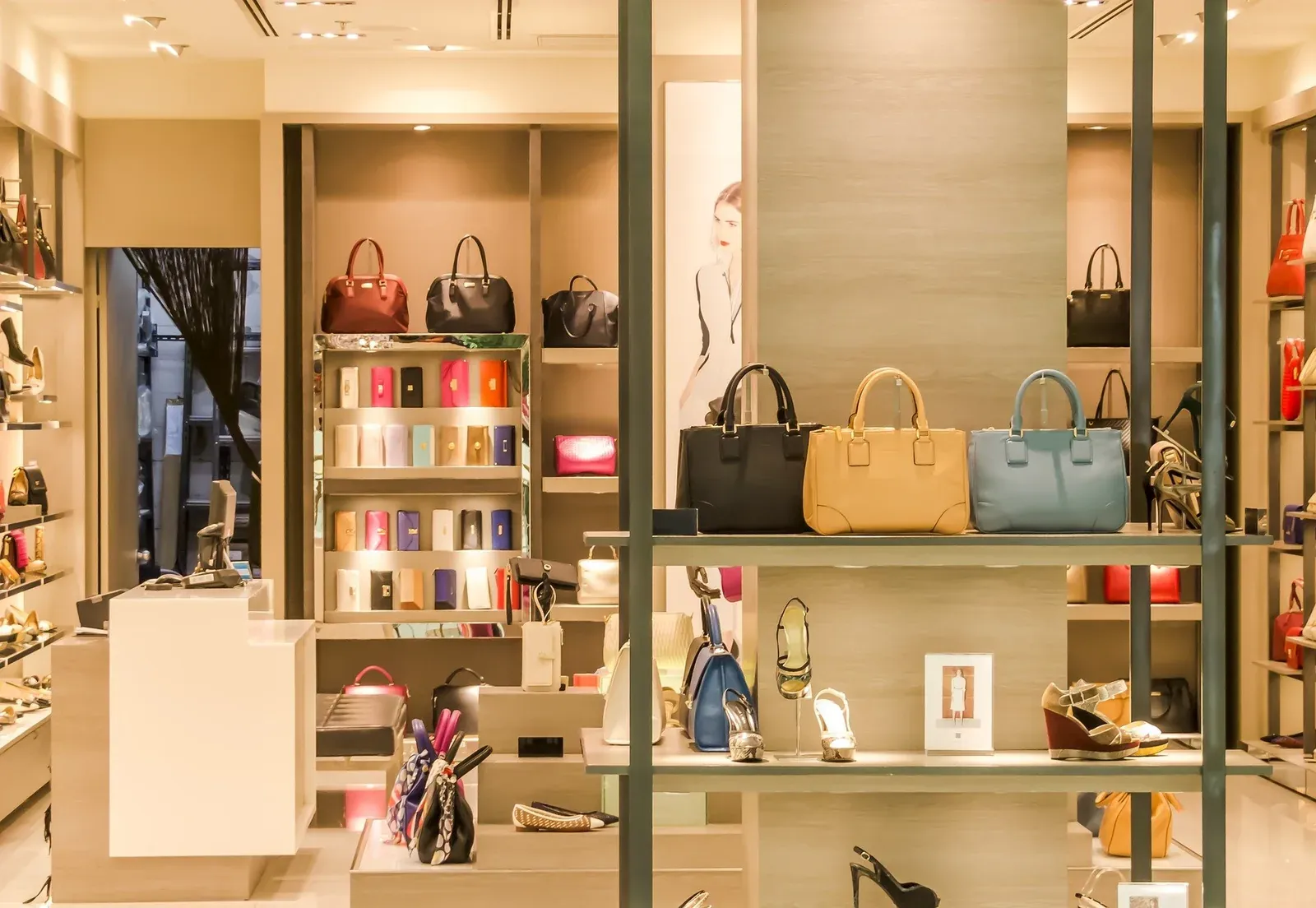
1. Product placement
To lay out your items effectively along the store’s shelving, you need to keep the following points in mind:
Profitability: to achieve good optimization, you need to know as precisely as possible how profitable each product is.
Organization: organizing the way products are laid out gives you a complete view of the assortment by families and subfamilies that you’re going to place in the section. Through this organized layout, we assign the different product facings in a way that allows for enough storage, while keeping a minimum safety reserve in mind (to secure sales during the replenishment lead time).
Aesthetics and rhythm: the aesthetics and rhythm of the section are to the shelf what the window display is to the store: temptation, attraction and desire for the products.
Hook items: the most important thing is to know which products are hook items, and to know how to place them so they catch the shopper’s eye.
Adaptation: this means arranging the different products by size in order to make better use of and optimize the display unit.
Complementarity: this is the grouping of products from different families, categories and sections that may be, or are, related to one another.
Differentiating products across the various levels or zones depends on:
-
Product turnover: the fastest-moving products are placed on the lower shelves of the unit, since they tend to sell at a lower price point. The idea is that, as the shopper searches for them, they come across other products or brands displayed in more visible and accessible spots.
-
Commercial margin: the products with the highest markup are placed on the more “sales-driving” levels (in the middle of the shelf). These have lower turnover, but thanks to their prime position, the customer notices them immediately.
-
Shopper safety and comfort: bulky, heavy products are placed on the lower part of the unit to make them easier to see, without forgetting the shopper’s safety and comfort.
-
Leading product: these products pull traffic on their own, but they aren’t always commercial, which is why placing them in a prominent spot is so important.
-
Safety stock: this means repeating the same reference on the level immediately above or below, in order to create an in-shelf reserve for products with very high turnover.
-
Aesthetic arrangement: this means finding, across the levels, the most attractive possible combination for the shopper.
-
Impulse purchases: the shopper comes across these products without looking for them, so they should be positioned in the most visible spot.
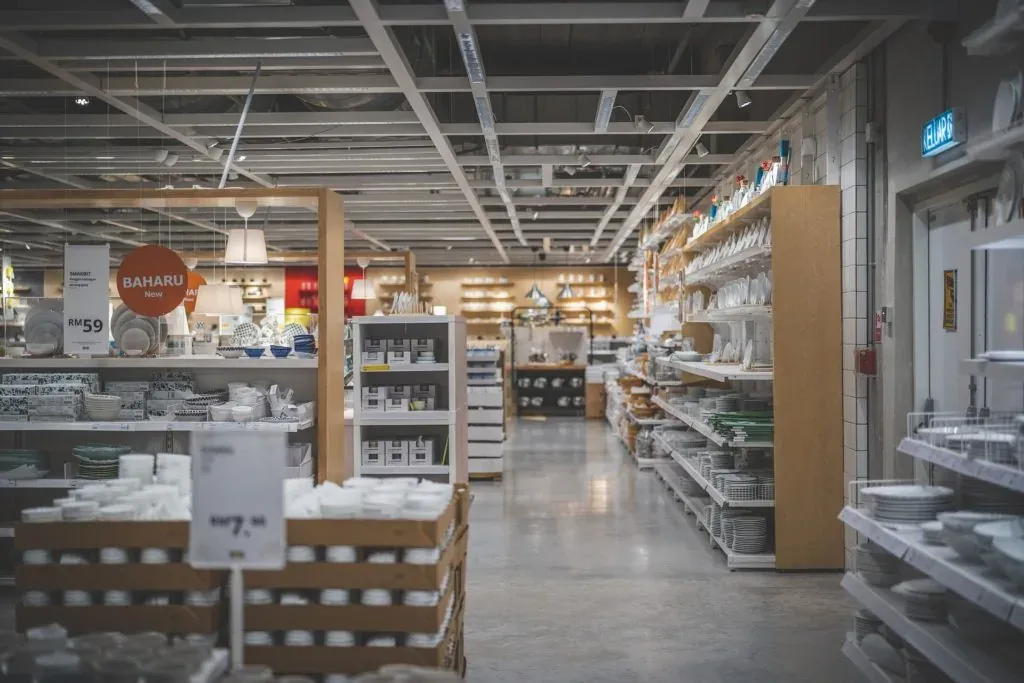
2. Positioning the products
The way products are positioned within a point of sale is another tool the commercial manager has at their disposal to steer and guide the path customers take, in whatever way the strategy has been designed.
People approach shopping in two different ways:
Shopping as a task and shopping as a pleasure. That said, it’s entirely possible for someone visiting a point of sale to have both orientations at once.
- Shopping as a task is what’s known as convenience shopping, in which customers place great value on the time they invest in it.
It has two characteristics: satisfying needs, and freeing up time and energy to use for other purposes. The retailer must therefore make it easy for customers to shop in a way that is quick and effective.
The task-oriented shopping approach is usually associated with everyday products such as food, drugstore items, cleaning products, etc.
For these kinds of products, customers aren’t willing to spend much time, so the point of sale has to make buying them easy.
It’s clear that, in these cases, the job of merchandising is to: decide the ideal placement of each product in the assortment so the public perceives it instantly, signposting the different families for quick discovery, favoring the joint display of complementary products according to their use, adopting the most convenient placement of the sections, and so on.
- Shopping as a pleasure is shopping oriented toward the surroundings or atmosphere. In this case the retailer must focus on creating the most suitable and comfortable environment for its customers.
So that they stay longer in the store and, consequently, are more likely to buy products.
People don’t want to waste their leisure time on boring errands. Pleasure-oriented shopping should be fun and spark interest.
The retailer has to bear in mind that, in reality, they need to attract customers so they spend their time and money in the store, competing against the other leisure options on offer.
Merchandising must focus on creating the right atmosphere so the customer feels at ease and translates that mood into purchases.
- The two shopping orientations correspond to two opposing theories about how customers move around a point of sale.
1.A first theory (destination flow) holds that consumers, when they go to a point of sale, arrive with clear, precise shopping goals.
Inside the store they follow an itinerary that leads them to achieve those goals, guided by logic and rationality.
2.A second theory (impulse flow), more in tune with people for whom shopping is a pleasure and a form of entertainment rather than a necessity.
It states that a consumer’s route is neither rational nor logical, but is instead driven by where the fixtures and products are placed.
It seems clear that, rather than different theories, what we’re really dealing with are different people, different shopping situations, and different types of stores selling products whose purchase motivations vary from one shopper to the next.
Positioning products strategically throughout a store is one of the ways to make customers cover more of the store’s floor space, encouraging impulse buying and boosting sales.