

Packaging is the act of enclosing or protecting a product using a container to make it easier to distribute, identify, store, promote and use.
Packaging encompasses every design and production activity involved in a product’s container. Put simply, packaging refers to the design and development of the wrapping material or container around a product that helps to:
- Identify and differentiate the product in the market
- Transport and distribute the product
- Store the product
- Promote the product
- Use the product correctly
1. The importance of packaging
Often regarded as an essential subset of marketing, packaging is the main tool for distribution, storage and sales, and it can be part of the product itself or an external container made from a variety of materials.
Packaging is an essential element for both the seller and the customer. While the seller uses it as a tool to distribute, store and promote, the customer uses it as an important tool for identification and use.
- The importance of packaging for the seller
Distribution: Good packaging makes it possible for the seller to move the product from the manufacturing unit to the final point of sale and then to the customer.
The seller uses different types of packaging for this purpose: transport packaging to move the products, and consumer packaging to help the consumer use the product.
Storage: Storage comes with its own risks of product deterioration and mishandling. Proper packaging helps the seller store and sort products more effectively.
Promotion: Packaging is a vital marketing element that the brand uses to differentiate the product through attractive, colorful and visually appealing designs, and to inform the buyer about the product’s performance, features and benefits.
Safety: Good packaging helps keep the product safe before it reaches the end consumer. For example, food packaging helps keep the contents in good condition.
- The importance of packaging for the buyer
Identification: Packaging and labeling help customers identify the product and tell it apart from other products in the market.
Use: Packaging that is part of the product itself, such as a tube of toothpaste, often helps with its use and consumption.
Safety: It also protects the consumer from the hazards a product may carry. For example, an acid bottle protects the user from acid burns.

2. Characteristics of good packaging
- Labeling: You may need to include certain information on your product’s label when it is distributed in specific ways.
For example, the labels of food products sold in retail outlets must contain information about their ingredients and nutritional value.
- Opening: If the product is distributed in a way that lets customers try or examine it before buying, its packaging should be easy to open and reseal.
If, on the other hand, your product should not be opened by anyone other than the buyer—an over-the-counter medicine, for instance—then the packaging will need to be designed to resist tampering and make any tampering visible.
Size: If the product has to be shipped a long distance to its point of distribution, then bulky or heavy packaging can push transport costs too high.
Durability: Many products endure rough handling between their point of production and the end consumer. If your distribution system cannot be relied upon to protect your product, your packaging will have to do the job.
3. The functions of packaging
Packaging plays a crucial role from the moment a product is developed to the moment it is fully consumed.
Contains the product: Most products need to be contained during transport, storage or consumption. Packaging ensures the product is contained as and when needed.
Protects the product: Packaging protects the product and its quality, features, usefulness and so on from damage or contamination during transport, storage and consumption.
Helps with product handling and use: Proper packaging aids product handling and makes it easier to transport, ship and even use the product.
Differentiates the product and makes it stand out: Packaging makes it easier for the customer to identify the product and tell it apart from others. On top of that, attractive packages have the ability to stand out and draw customers toward them.
Forms part of the product’s marketing strategy: Attractive packaging makes the product stand out and gives it promotional appeal. Packaging also acts as the final point of contact that helps promote and sell the product.
Provides convenience for the customer: It is a convenience tool that makes it easy for the customer to carry, transport and use the product.
Acts as a means of communication: Packaging, together with labeling, helps communicate the brand identity, the brand message and information about the product and company to the customer.
Adds aesthetic value: Packaging can make a simple product look appealing or make a unique product look ordinary. It is an important aesthetic point of contact that can make or break a sale.
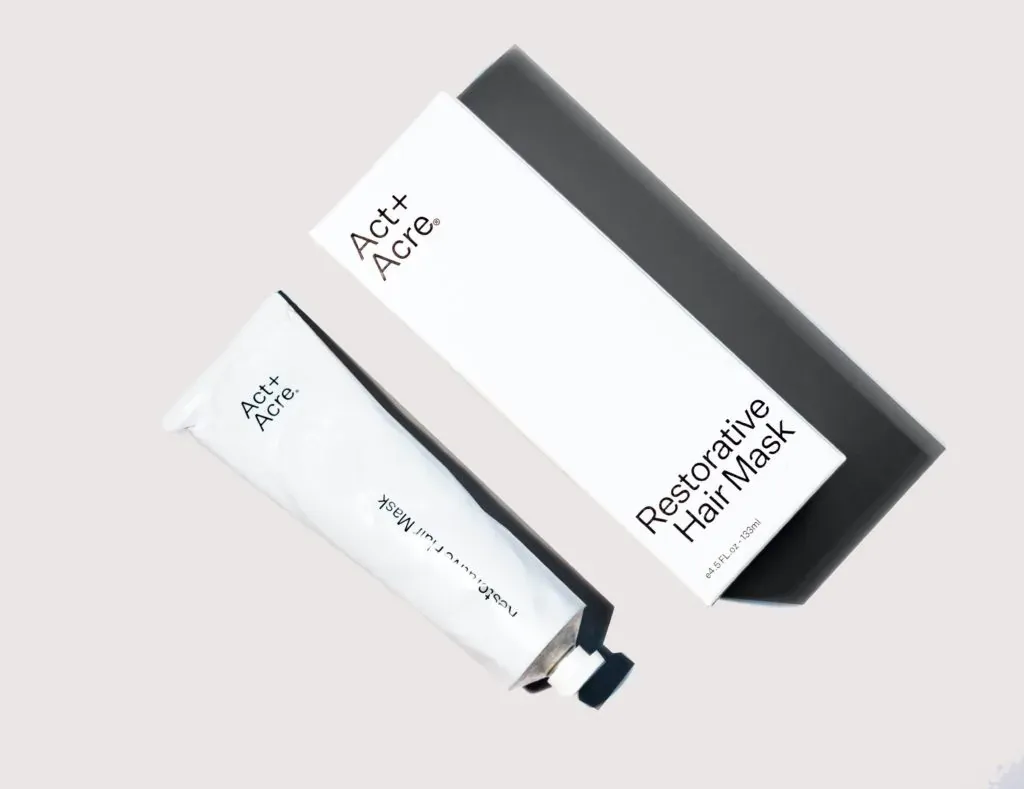
4. Types of packaging
Packaging can be classified into three types according to its use and purpose. These types are:
Primary packaging
Primary packaging, also known as consumer packaging, is in direct contact with the product and is intended to help the customer identify the product, learn about it and consume it.
It is the base packaging that emphasizes both usefulness and appearance.
It is the primary layer—such as the plastic bag, the cardboard box, and so on—that contains the finished product, protecting and preserving it from contamination and tampering while including aesthetic elements that make the product stand out.
In addition to aiding identification, differentiation and consumption, primary packaging also acts as a promotional tool that attracts more customers at the point of sale by making the product look more appealing.
Secondary packaging
Secondary packaging forms the second layer of packaging that customers don’t usually see. Its main use is to group and hold together individual units of the product in order to deliver large quantities of it to the point of sale.
It bundles smaller product units into a single package and helps with inventory management (grouping and identification) before the product is presented to the customer.
Removing the secondary packaging does not affect the quality or attributes of the product.
Tertiary packaging
Tertiary packaging, also called bulk or transit packaging, is used to group a large quantity of a particular product in order to move it from point A to point B.
The main goal of this packaging is to make it easy and safe to transport heavy loads or large quantities of a product, while also making storage and handling easier.
Examples include the wooden pallets used to ship goods, or plastic-wrapped pallets holding a large quantity of secondary-packaged products.
5. Factors that affect packaging
- Purpose of the packaging: The type of packaging will depend on its purpose. Packaging for logistics purposes will be different from packaging for marketing purposes (that is, for the consumer).
- Nature of the product: Packaging will differ for different types of products. The physical form of the product will decide which type of packaging is most appropriate. Even for products that have the same physical form, different types of packaging may apply.
- Distance: It may also depend on the transport distance. A longer distance would require stronger and more protective packaging.
- Material handling system: Packaging should be decided with the type of material handling system that will be used in mind.
- Product sensitivity: The product’s sensitivity to the physical environment and external elements should also be considered. Some products are more sensitive to temperature, humidity and so on.

6. The difference between a container and packaging
Although they are considered the same, they are not something that can be used interchangeably. The container is a subset of packaging that refers to wrapping the product and holding it in a box or wrapper to protect it and help with handling.
Packaging, on the other hand, is the process of designing and developing the container of the offering that protects it and helps customers identify and differentiate it in the market.
Put simply, the container only involves wrapping the product, whereas packaging also includes the branding aspect.
The goal of packing, or the container, is to provide safety and help with the storage and transport of products.
The goal of packaging is to provide safety, increase the product’s appeal, and communicate information about the brand and the product.