

It’s important to know that what isn’t seen, isn’t sold. Work on your marketing to strengthen your brand positioning, drive more sales and capture the consumer’s attention.
It’s also worth noting that with the arrival of new technologies, things have changed, from consumer trends to entirely new jobs.
Here’s what this blog will cover:
- Marketing strategies to improve the experience
- Marketing actions to increase your in-store sales
1. Marketing strategies to improve the experience:
Once you know a company’s goal, you can design its marketing strategy to generate unique experiences and sales. Put short- and long-term strategies in place that are capable of delivering positive experiences at the point of sale by correctly combining the following elements:
- Consumer – they’re the ones in charge; listen to them to understand their needs and try to satisfy them so they come back or recommend you.
- Loyalty – as we’ll discuss later, there are different actions to build loyalty among your buyers. Creating great experiences through small actions and gestures grows their value. 77% of people tend to always shop at the same place.
- Marketing mix – this is about focusing on product, price, distribution and promotion. Choose the products you sell based on their quality and variety, as well as their profit margins.
- Experience – exceed the customer’s expectations and offer the best service. It’s shaped both by new technologies and by the 5 senses.
- Technology – it’s a reality in almost every store, from screens to smart mirrors, and so on. It serves 2 purposes: making any transaction more appealing and giving sales staff the support they need to serve customers better.
Stockagile supports the store with its management software, centralizing every area from stock control to its ecommerce.

2. Marketing actions to increase your in-store sales:
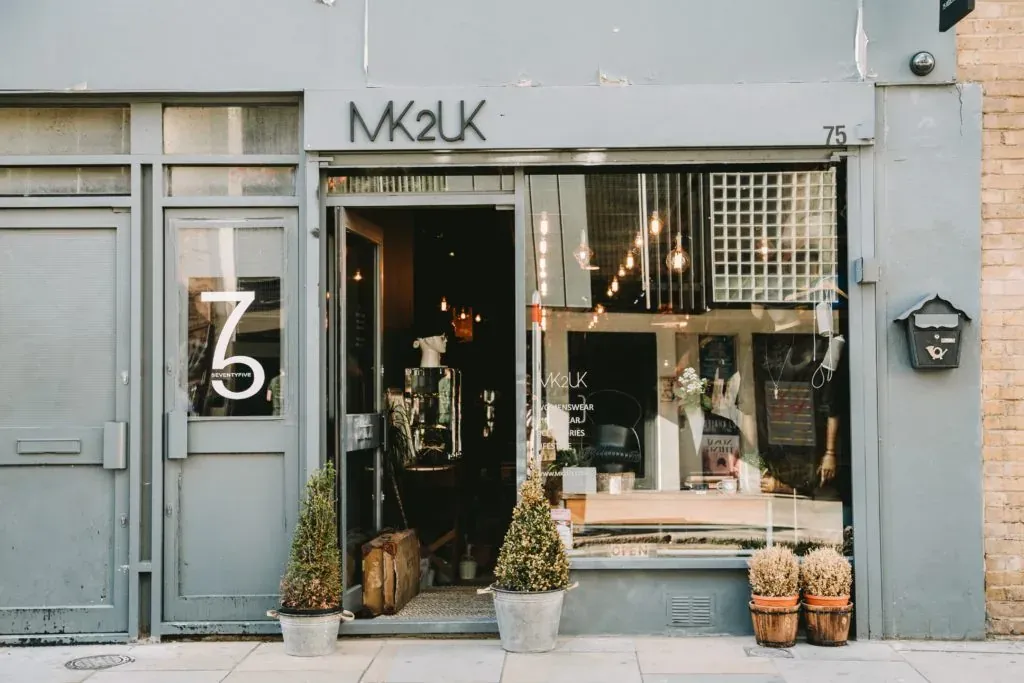
- Window displays: this is the first impression consumers get, and it should be used creatively to grab attention. It’s a way to quickly communicate what matters most at any given moment.
Avoid piling products up in the window; put cross-selling into practice right from the front door. Design creative product sets.
- Shelving displays: this is the set of shelves and space at the point of sale where stores exhibit and present their products.
Make the most of color in the layout of your shelving, tying it to your branding so it stands out at first glance. Keep everything neatly organized so it’s clear what you’re trying to showcase, whether that’s sales, a new collection, clearance products, and so on.
-
Events: hosting gatherings with customers is always a great move. Different types of events could be showrooms, hands-on workshops, educational talks, training courses, new-season launches, and so on.
-
Email marketing: it can be a great ally for small businesses, letting you talk to different users and share news. It’s a cheap and easy strategy.
It’s important to have your customers’ data so you can build mailing lists; from there, you should segment customers and identify their needs. Tracking your stats is also important for measuring performance.
- Discounts based on your sales: offer discount actions or promotions to your customers based on consumer behavior.
Keep a purchase history so you know your customers’ buying habits, their monthly spend and which products they prefer. From there, you can create promotions to build loyalty more effectively.
- Purchase incentives: create recurring visits from your customers by giving them something extra, such as free shipping, gifts or product samples.
These incentives make customers want to buy or come back; they encourage return visits. Other examples would be discount coupons or complementary courtesy products.
- Social media: even if you have a physical store, you need to join the online world on social media. Having a presence makes you more visible, with advertised products tailored to local businesses.
Not every social network is right for every business. Some of the best known in Spain are these: Instagram, LinkedIn, Facebook, Pinterest, Twitter and Google+.
- Website / eCommerce: if you want an online presence even without an online store, it’s important to create a simple website where people can learn who you are and what you do.
If someone searches for your business on Google, you need to be visible. The same goes for your eCommerce, but selling your products online.
- Local SEO: turn your store’s location into a strength; let the people around you know you exist, much like a local eCommerce.
- Cross-selling, upselling and bundle products: these are 3 very traditional sales techniques that have been refined in the online world and taken on the names we know today.
- Cross-selling: this is about offering a product that complements the one the customer is already buying, positively enhancing the shopping experience.
- Upselling: the seller tries to get the customer to choose a higher-end alternative to what they’re buying.
- Bundle products: these are groups of products that together cost less than if they were bought separately.