

In the competitive world of retail, the return policy has become a decisive factor for many customers when making a purchase. Having a clear and efficient return policy not only improves the customer experience, but it can also be a key tool to build shopper loyalty and set your store apart from the competition.
Return policy: what is it?
A return policy is a set of rules that defines the conditions under which customers can return products purchased in your store. It is a key tool for managing expectations and ensuring a good shopping experience. A clear, well-structured policy can be the difference between a satisfied customer and a dissatisfied one.
Worth keeping in mind: consumer law in Spain
Before defining your policy, it’s important to know the law. In Spain, returns are regulated by the General Law for the Defense of Consumers and Users (Ley General para la Defensa de los Consumidores y Usuarios), which establishes that buyers have the right to return a product purchased online within the first 14 days after receiving it, without having to give a reason, as long as the product is in the same condition in which it was received.
Why is it important to offer an exchange and return policy?
Offering a clear and flexible exchange and return policy is vital for customer satisfaction. It builds trust, lowers the barriers to purchase and can encourage consumer loyalty. What’s more, a well-managed policy improves your brand’s reputation and helps you stand out from the competition.
Did you know that 67% of shoppers check the return policy before making a purchase? A good policy can be the difference between closing a sale and losing a customer.
Types of returns
There are several types of returns you can include in your policy. Below, I explain the different options you can offer:
Exchange return
Allows the customer to swap a product for a similar one or a different type (another size, fit, color or model). It’s common with products like clothing or footwear, where sizes or personal preferences can vary.
Refund return
This type of return offers the customer a full refund of the purchase price, generally through the same payment method used. It’s one of the most valued by consumers, since it imposes no restrictions.
Proportional return
In this case, the customer is refunded part of the money paid, based on the condition or use of the returned product. It’s useful for products that have been used but are still fit for sale or use.
Compensatory return
This is a return where the customer receives a credit or coupon for future purchases instead of a cash refund. This type of return is common in businesses looking to build customer loyalty.
Faulty-product return
This happens when a product has a defect or doesn’t meet the customer’s expectations in terms of functionality or quality. In this case, the customer has the right to a refund or a replacement product at no additional cost.
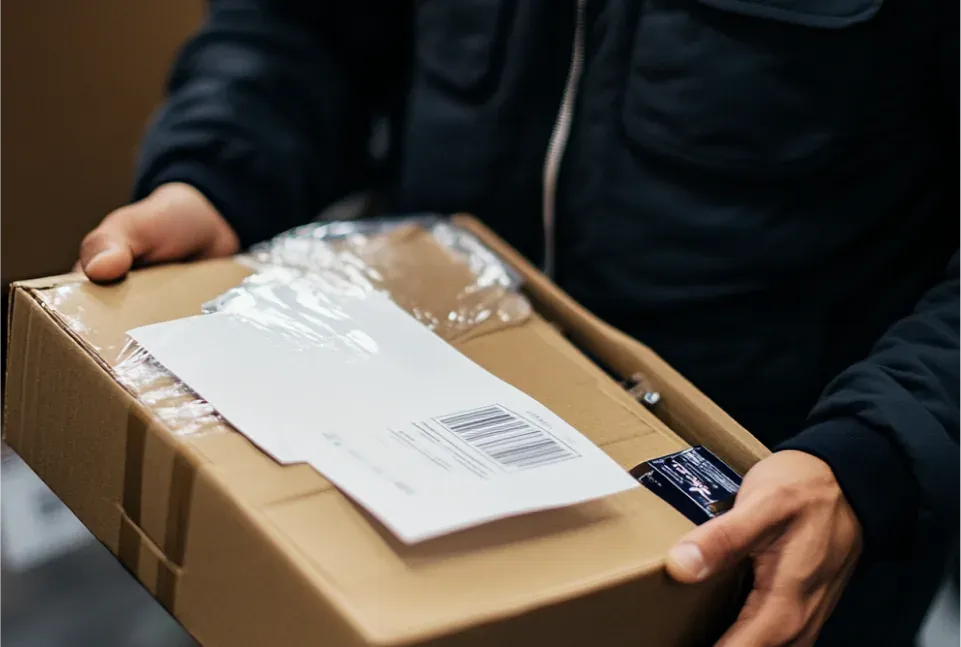
Tips on how to create a return policy for your retail business
An efficient policy should adapt to your business’s needs and be clear for customers. Here are some key tips:
1. Adapt your return policies for physical and online stores
If your business has both physical and online sales channels, make sure you have a policy that covers both cases, since expectations and procedures can vary between them.
2. Set clear and specific return windows
Avoid confusion. Define precisely the windows within which customers can make a return and make sure your customers know them. Setting periods of 30 or 60 days can be more flexible and appealing to consumers.
3. Communicate exceptions clearly
Make sure exceptions are clearly spelled out, such as sale or custom-made products, or items that for hygiene reasons might not be eligible for returns.
4. Staff training
It’s essential that your team is well trained to handle returns efficiently and courteously. Customer service plays an important role in this process.
Example of a return policy
«At EcoModa, we want our customers to be 100% satisfied with their purchases. If you’re not completely happy with your order, you can return or exchange it within 30 days of the purchase date.
• Exchange returns: If you need to change a size or color, you can do so at no additional cost. Simply return the item to us in its original condition, unused and with all tags attached.
• Refund returns: If you prefer a refund, we’ll process the full amount using the same payment method you used. Items must be unused and in their original packaging. The refund will be issued within 7 business days of receiving the returned product.
• Promotional products: Items purchased on promotions or with discounts are not eligible for refunds, but they can be exchanged for another product or for store credit.
• Return costs: EcoModa offers free returns for all domestic orders. For international returns, the customer is responsible for shipping costs.
If you have any questions or need more information, don’t hesitate to contact us through our customer service team.«
How Stockagile helps you manage returns efficiently
Stockagile is an all-in-one solution for managing inventory and returns with agility. With its POS (Point of Sale) software for physical stores and its Order Management System (OMS) for warehouses, you can receive, process and manage returns in an automated and efficient way, keeping precise control of your inventory and enabling a smooth experience for your customers. On top of that, this solution helps you automate the intake of returned products, avoiding errors and ensuring that refunds or exchanges are processed quickly and without complications.
Frequently asked questions
1. What is a return policy?
A return policy is a set of rules and procedures that establishes the conditions under which a customer can return a product to a store. It includes details about windows, product condition and the types of returns allowed, such as exchanges, refunds or compensations. This policy is essential for building customer trust and improving the shopping experience.
2. What should a return policy include?
A return policy should include clear information about the windows for making returns, the types of products that are eligible, the condition returned products must be in, and whether there are any costs associated with returns. In addition, it’s helpful to specify refund methods and any exceptions, such as sale or custom-made products that can’t be returned.
3. How long does a customer have to return a product?
The standard return window in Spain is 14 days, under the General Law for the Defense of Consumers and Users. However, many stores offer longer windows, such as 30 or 60 days, to improve customer satisfaction. It’s important for each store to define its own windows and communicate them clearly in its return policy.
4. How does consumer law in Spain affect return policies?
In Spain, the law establishes that customers have the right to return products purchased online within the first 14 days from receipt, without having to give a reason, as long as the product is in the same condition in which it was received. Stores must comply with this regulation and make sure their policies reflect these legal provisions.
5. What types of returns are there?
The most common types of returns are:
• Exchange return, where the customer swaps the product for another.
• Refund return, where the full amount is returned.
• Proportional return, when the refund is partial based on the condition of the product.
• Compensatory return, in which a credit or coupon is granted for future purchases.
• Faulty-product return, if the product has flaws or defects.
6. Who covers the costs of a return?
Who is responsible for covering the costs of a return depends on the store’s policy. Some stores offer free returns, while in other cases the customer must cover the shipping costs. Returns for defects or incorrect products are usually covered by the retailer.
7. How is a return handled in physical and online stores?
Physical stores usually handle returns immediately, where the customer can exchange or return the product at the same point of sale. In online commerce, the process usually involves shipping the product back to the warehouse, followed by the refund or exchange once the item is received and its condition verified. It’s essential that the policy covers both types of sales.