
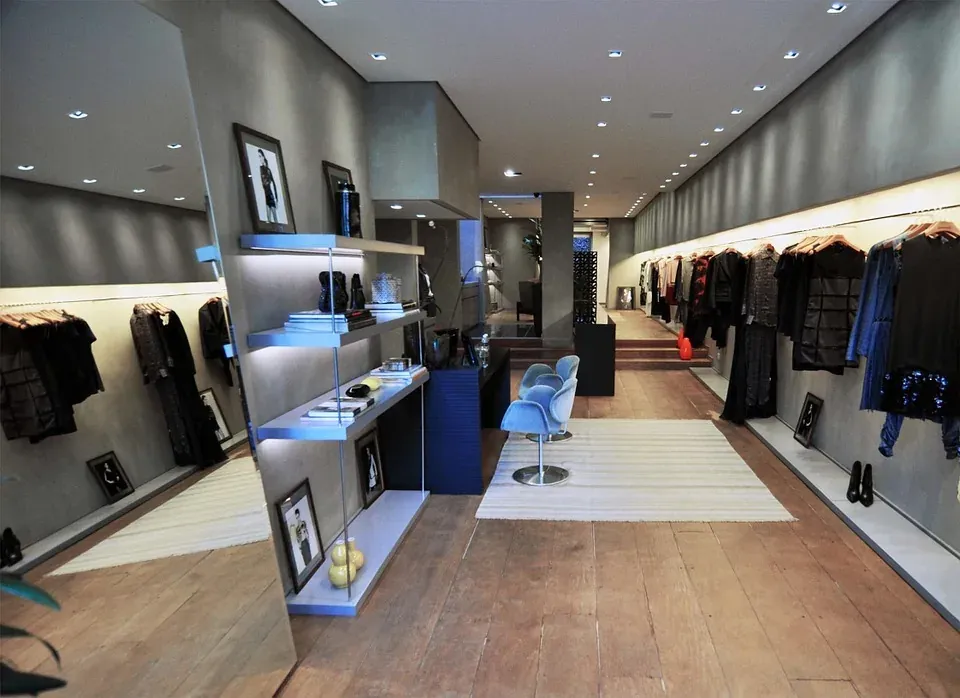
Many of us have surely asked ourselves the same question: How do I lay out the store to sell more? Is there a strategy that actually works? What tips and tricks are the most used? A good customer journey is the key to success, so discover the secrets that thousands of stores are already using.
In this post we will talk about:
- The customer’s perspective
- The phases every consumer goes through
- The customer journey
1. First impressions
First impressions do matter. When customers walk into our store, it should feel clean and tidy. Products should be dust-free, and we need to manage the temperature so there isn’t too sharp a contrast when they step inside.
Another factor is music and scent. The music in the store should not be jarring. Several studies show that, on a neurological level, it genuinely affects the shopping consumer.
Then there’s scent. We should avoid strong smells. If we find one we like that represents our brand, I would always recommend sticking with the same one. That way we build an association in the consumer’s mind that our store smells this particular way. It seems very simple and like a set of basic steps, but if you dedicate time to the little things, you will end up standing out from your competitors.
2. Understanding our customer
Customers buy what they see, so when we plan the most optimal route through the store it is essential to keep this in mind. We all follow a pattern when shopping, and by knowing it we will understand how to optimize our store’s layout.
2.1 Storytelling
Storytelling means telling a story. This strategy is no small thing, and in fact it is widely used today by major brands. If we don’t know how to arrange the products in the store, we would start by thinking about what we want to say with our products. What meaning can we give them? What story do we want to tell? Each of us, with our brands and stores, brings value to society; we believe in certain values that we want to convey, and we know that the experience the customer has in the store is essential to getting them to buy and become loyal.
2.2 The different phases of the potential consumer
The 4 phases our customers experience would be:
- Need. They want a product, they feel like buying, or they have walked into the store because our window display managed to catch their attention, or they already came in with a clear idea of what they want.
- Preferences. This is where each person’s different preferences come in. The color, the size, what they like most, what value it will bring them…
- Assessment. Usually the assessment of a product is closely tied to its price. Whether we feel it’s worth paying the price at which we perceive the product.
- Purchase. The purchase decision comes once all the phases have passed, and the customer ends up buying our item.
Knowing the different steps a customer goes through, we should design a route that fits and strategically plan how to place each product so that it makes an impact. In this post we tell you a bit about visual merchandising and more tips to keep in mind when arranging products throughout the store.
3. The route through the store
3.1 First steps in the store
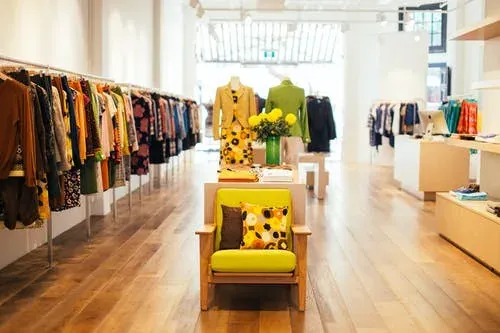
This is the moment when customers enter the store, and the first five meters are decisive for them. In the first phase of the customer journey, they take in the store and have their first contact with the products. Factors such as lighting, accessories, screens, colors and scents must be handled very carefully, as it is a key moment that will determine whether they stay or not.
Different studies and articles confirm that 90% of people tend to turn right when they enter a store. So keep this in mind and making the right-hand side more attractive will earn you points to get them started on the journey through your store. The products you place on the right should be your stars and create an impact on the customer. Once you have sparked the person’s curiosity, add accessories and lighting (without overdoing it). Many stores today, knowing this tip, use resources to make the right-hand wall as attractive as possible. The resources used are:
- Attractive, essential items
- Trend-setting pieces
- Star products
- Exclusive seasonal products
3.2 Once they’ve turned right…
Once the customer continues their journey, this is where you come in and how you’ve laid out your store. It’s recommended to avoid two floors, since the upper one is usually more neglected and limits the customer’s purchase. Wide aisles are essential, and depending on the story your store tells, play with color tones and, above all, make it pleasing to the eye.
The customer journey traces a path that takes the different points into account. Some stores opt for a circular path, which works quite well. To keep them following the route, place a sign, a sale ad, or a standout panel at the end of each stretch so they head toward it and the journey flows.
3.3 On the way to the end
Place the checkout counter at a strategic point, not at the entrance and not in a passageway. Depending on the route you’ve mapped out, if it’s circular the counter is usually placed as far to the left as possible or in the center.
At the moment of purchase, you can take the opportunity to display various accessories and items that encourage impulse buying once customers are waiting in line to pay.
3.4 Evaluate, change and improve
Once we have mapped out the journey, we can’t forget the most important thing that will make the difference in the future: evaluate, change and improve. It is essential that, once we have the customer journey in place, we keep a record at the end of the season to see which products performed better or worse. Knowing where they were placed and why we think they did or didn’t work. If we focus on continuously evaluating and staying flexible to change, we will see how sales skyrocket faster.