Electronic invoicing has become a crucial element of Spain’s business landscape in 2024.
With the growing digitalization of commercial processes, it’s essential to fully understand how this tool works and how it can affect your company. In this complete guide, we’ll explore every key aspect of electronic invoicing in Spain, with a special focus on Verifactu.
What is Verifactu?
Verifactu is an electronic invoicing platform that has gained prominence in Spain thanks to its focus on the verification and security of invoices. With Verifactu, businesses can generate electronic invoices that meet legal requirements and are protected against fraud. Its innovative technology includes features such as QR codes and real-time validation, ensuring the integrity of documents.
Through a PDF document with structured data, your invoice information becomes accessible to the tax authorities in real time.
These systems also aim to guarantee the integrity and truthfulness of the data on each invoice, as well as its traceability.
Benefits of Using Verifactu
- Verifiable invoices: With Verifactu, businesses can issue electronic invoices that are easily verifiable by the relevant bodies and by customers.
- Compliance with the anti-fraud law: The platform is designed to comply with the anti-fraud law in force, ensuring that the invoices issued are legal and secure.
- Integration with information systems: Verifactu integrates easily with companies’ accounting and administrative systems, easing the transition to electronic invoicing.
- Access to the SII platform: Verifactu offers access to the Spanish Tax Agency’s Immediate Supply of Information (SII), simplifying tax compliance.
Is Electronic Invoicing Mandatory in Spain?
For now, using this system is optional — but bear in mind that the tax authorities can request your invoices, and then you will have to submit them in this format. So, either way, it’s worth knowing how it works and making sure your ERP is compatible or, failing that, being aware of alternatives that are.
A little historical context on the anti-fraud law and the “Crea y Crece” law
In December 2022, the European Commission published a draft directive regulating electronic invoicing across Europe, focused on the fight against tax evasion and centered on intra-community VAT. The European Union has set 2028 as the deadline for all member states to fully adopt electronic invoicing, giving top priority to e-commerce sales.
Since the anti-fraud law came into force in 2021, electronic invoicing has become mandatory for certain companies in Spain. Businesses above certain turnover thresholds are required to use this system to issue their invoices. Adopting platforms like Verifactu makes it easier to meet this obligation and offers additional benefits in terms of security and efficiency.
The future of Verifactu and electronic invoicing in Spain
With the new anti-fraud legislation driven by the Ministry of Finance and the “Crea y Crece” law promoted by the Ministry of Economy, in 2024 it will be mandatory for companies with more than €8 million in turnover.
This requirement is expected to extend to any type of company and self-employed worker in 2025.
Electronic Invoicing Software for Your Sector
The range of electronic invoicing software available in the Spanish market in 2024 is wide and varied, with options designed to meet the specific needs of different industries. Here are a few recommendations of popular software by sector:
Stockagile, electronic invoicing for the retail sector:
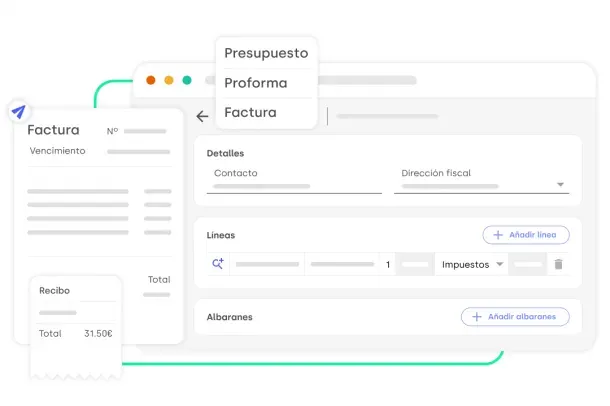
With Stockagile you can create electronic invoices automatically and know the status of payments and collections at all times, with full inventory control. And in compliance with your country’s legislation!
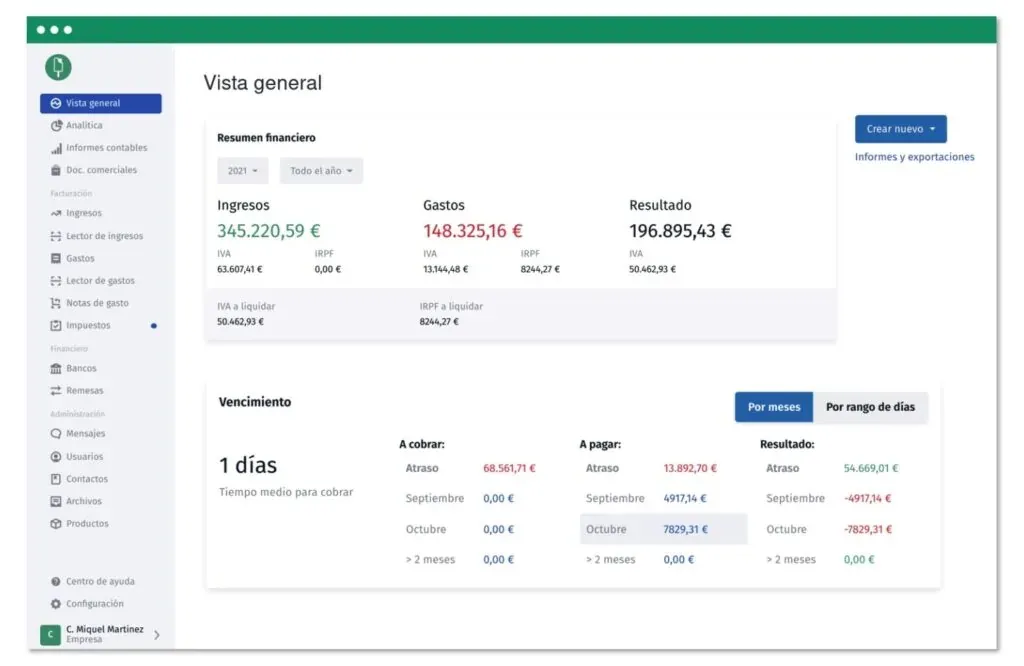
Holded and Quipu, the best for freelancers:
A popular option among independent professionals and small service businesses.
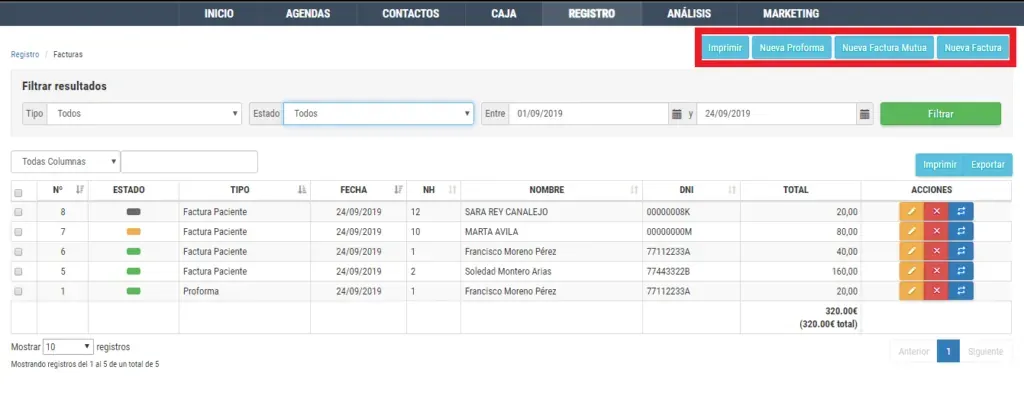
Clinic Cloud, for the healthcare sector:
Designed for clinics and medical practices, Clinic Cloud meets the specific legal requirements of the healthcare sector and offers features such as billing for medical services.
These are just some of the options available on the market, and choosing the right software will depend on the specific needs of each company and sector.
The Importance of the QR Code in Verifactu
One of the standout aspects of Verifactu is its use of QR codes on electronic invoices. These codes contain key information about the transaction and can be scanned to verify the authenticity of the document. Beyond meeting legal requirements, QR codes add an extra layer of security and trust to commercial transactions.
In short, electronic invoicing is a fundamental part of doing business in Spain in 2024, and getting your business ready to connect with the Verifactu system is vitally important.
Frequently asked questions about VeriFactu and electronic invoicing
How can I integrate Verifactu with my business management system?
Verifactu offers integration options with a variety of business management systems such as Stockagile, making it easy to incorporate the platform into a company’s existing processes.
What additional benefits does Verifactu offer?
Beyond ensuring legal compliance, Verifactu delivers benefits such as streamlined administrative processes and improved security in commercial transactions.
What distinctive features does Verifactu have?
Verifactu stands out for its focus on the security and verifiability of invoices, with features such as QR codes and real-time validation.
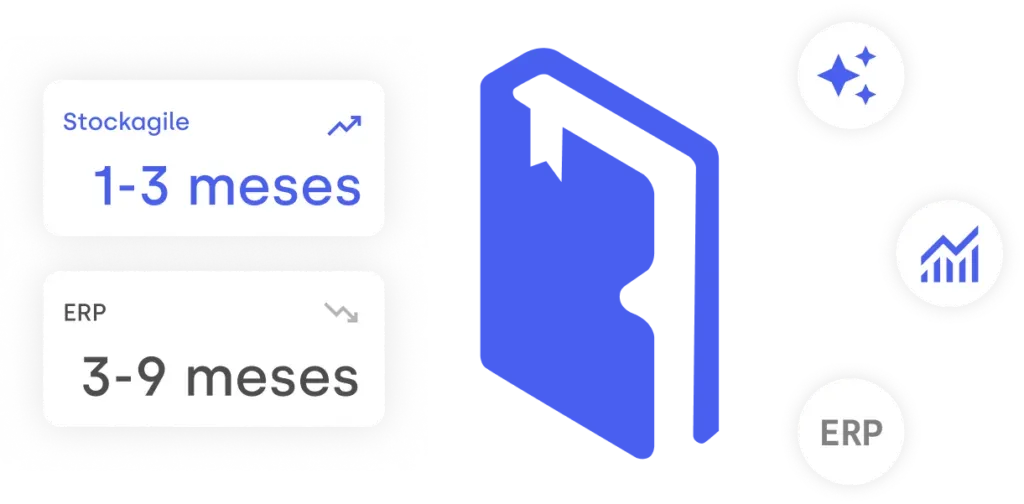
Don’t fall behind! Download our ebook now and discover the difference between traditional ERP systems and Stockagile.