

VAT is an acronym that stands for Value Added Tax (in Spanish, “Impuesto sobre el Valor Añadido” or IVA). It is an indirect tax that falls on consumption and applies to:
- Supplies of goods and provision of services
- Intra-Community acquisitions of goods (EU)
- Imports of goods
Harmonised across the European Union, it was introduced in Spain in 1985 as part of the country’s move to join the EU, and it is a tax that levies the consumption of private individuals.
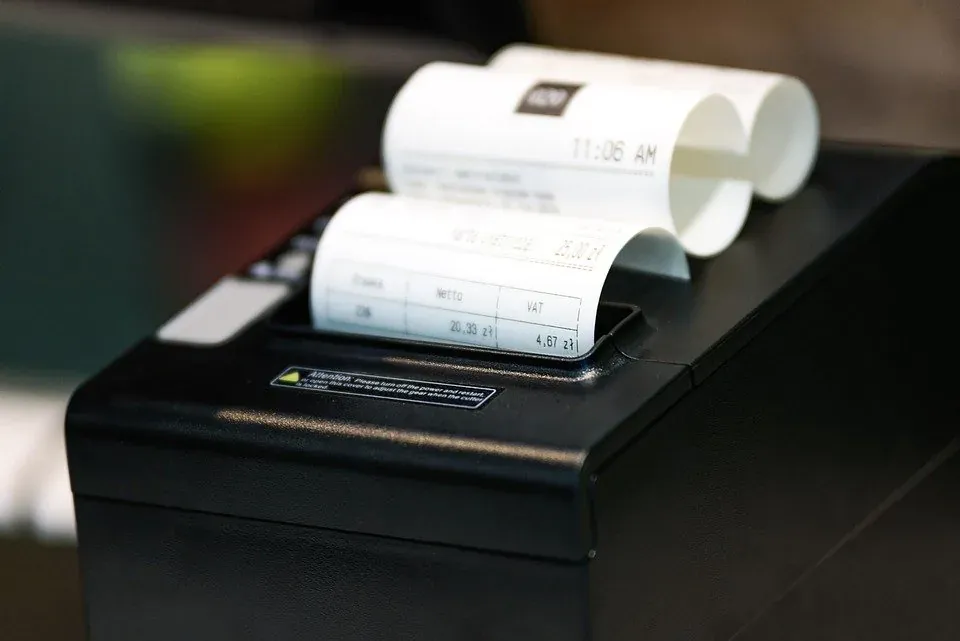
At each stage of the production and distribution process, it taxes the value added, passing the tax burden along until it reaches the final consumer.
Throughout this production process, a business can deduct input VAT, which is the tax the company pays when acquiring a product, and on the other hand there is output VAT, which is what the company charges on a product or service it provides.
Any person or entity carrying out business or professional activities, commercial companies, the exploitation of assets, and so on, must hold a tax identification number for VAT purposes.
Can some transactions be exempt from VAT or subject to 0% VAT?
Depending on the type of transaction, we can see that some are subject to a taxable base and others are not. The supplies of goods and provision of services that are subject to the tax are those:
- Carried out within the territorial scope of the tax
- By businesses or professionals
- On a regular or occasional basis
- In the course of their business activity
- If they are made in favour of partners, members, associates, and so on
Imports of goods are subject to tax together with customs duties, and the Single Administrative Document must be presented to Customs.
Intra-Community supplies may be exempt from tax if they meet the established requirements, whether they are within the EU or outside it.
Those that are subject to but exempt from tax, meaning they pay 0% VAT, in the supply of goods and provision of services are:
- Real estate
- Financial and insurance
- Education
- Healthcare
- Exports of goods
- Intra-Community supplies
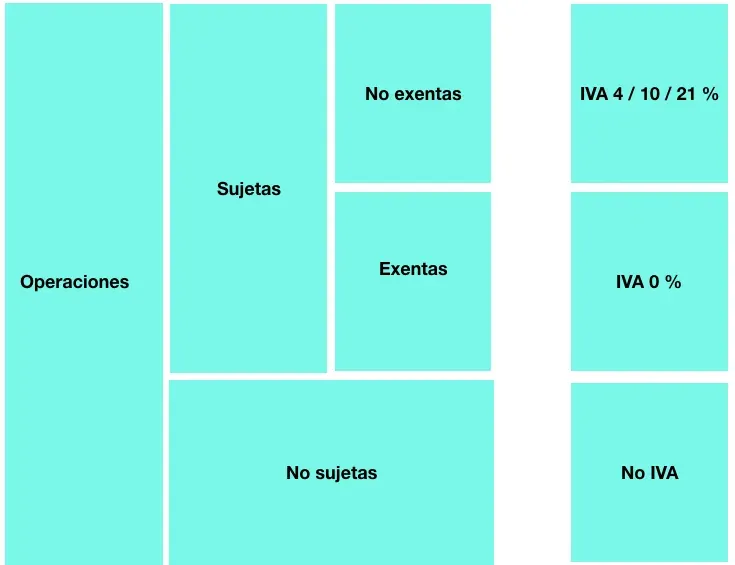
Non-taxable transactions, which therefore do not pay VAT, include among others:
- The transfer of a set of assets forming part of a business estate that are capable of carrying out this activity by their own means.
- Free deliveries of samples for advertising purposes
- Deliveries of printed materials without consideration.
- Self-consumption of goods and services if the taxable person did not deduct the VAT.
- Supplies of goods and provision of services by public bodies
- with consideration of a tax nature or without any consideration
- Provision of services free of charge by legal obligation or collective agreement
Tax rate:
It is set at the moment the tax becomes chargeable.
-
General: 21%
-
Reduced: 10%
- Food
- Property intended for housing
- Passenger transport
- Hospitality services
- Commercial exhibitions and trade fairs
- Super-reduced: 4%
- Medicines for human use
- Basic foodstuffs
- Books, newspapers and magazines
At StockAgile we want to make managing VAT easier and more automated for businesses. So don’t hesitate to ask us via chat or by requesting a Demo.