
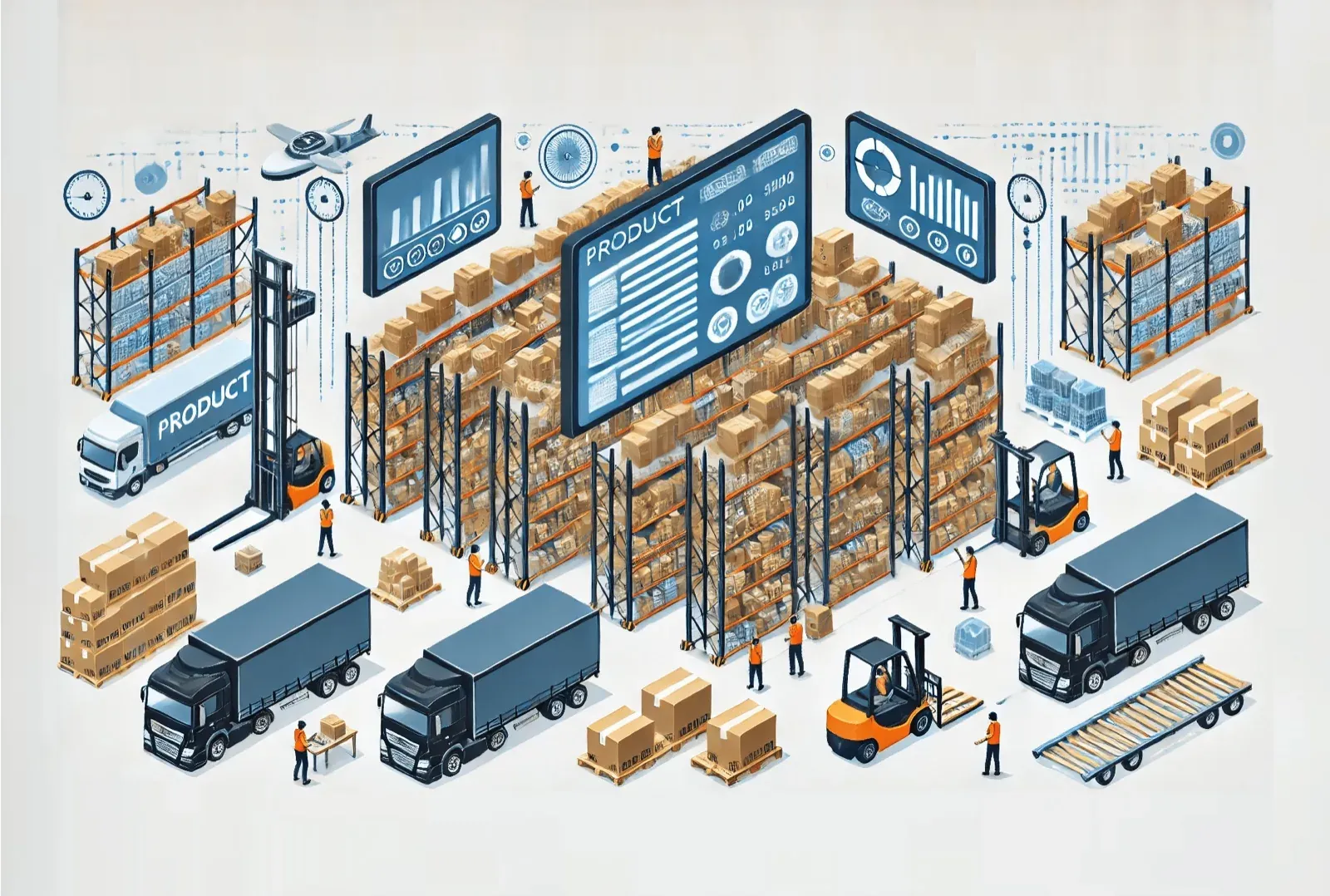
Introduction to Third Party Logistics (3PL)
In the fast-moving world of e-commerce, logistics plays a crucial role. Third Party Logistics (3PL) providers have emerged as an efficient way to manage the supply chain and order fulfillment. But what exactly are 3PLs? In simple terms, 3PLs are external providers that handle different logistics functions, from storage and inventory management to picking, packing and shipping products.
These services let companies focus on their core strengths while leaving logistics to the experts. For retailers, especially those expanding their online presence, 3PLs can be a lifesaver. They not only improve operational efficiency but can also deliver lower costs thanks to economies of scale.
Advantages and Disadvantages of 3PLs
As with everything, outsourcing logistics comes with pros and cons. The main advantages of using a 3PL include:
- Lower Costs: By leveraging economies of scale, 3PLs can offer services at a lower cost than a company managing everything in-house.
- Flexibility: 3PLs make it easy to quickly scale logistics capacity up or down with demand, which is essential during sales peaks like the holiday season.
- Focus on Core Competencies: By outsourcing logistics, companies can concentrate on strategic areas such as marketing and product development.
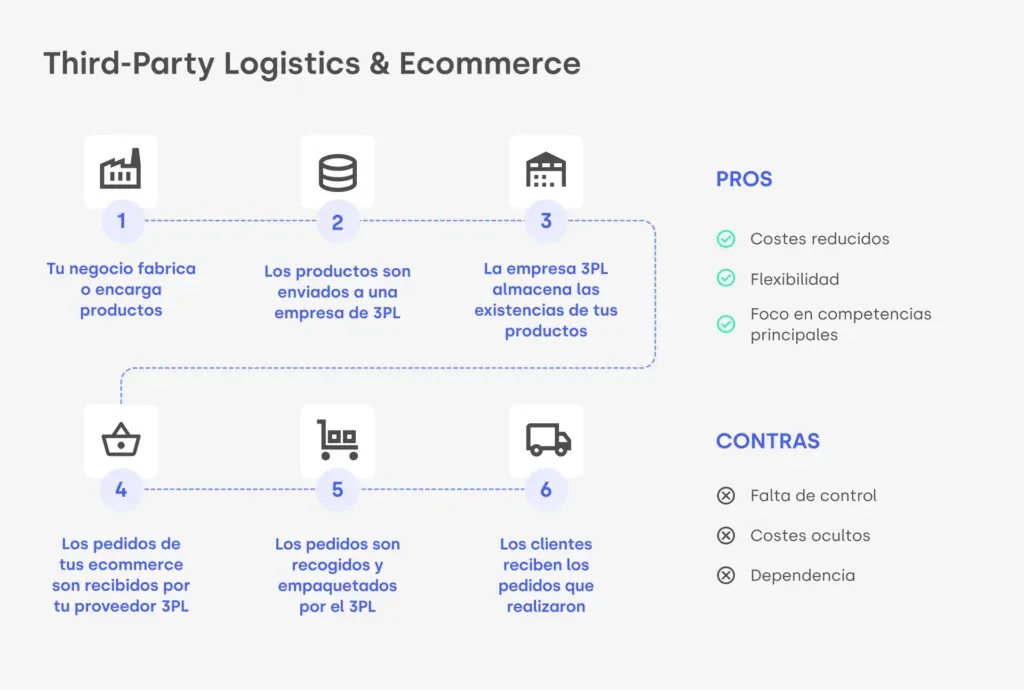
However, there are also disadvantages to weigh:
- Less Control: Outsourcing means giving up some control over the logistics process, which can affect the quality of customer service.
- Hidden Costs: While 3PLs can reduce costs overall, unexpected charges may arise that eat into profitability.
- Dependency: Relying on an external provider can create a dependency that’s hard to break if the relationship deteriorates.
The Logistics Dilemma: Insource vs. Outsource
Deciding whether to insource fulfillment or outsource it to a 3PL is a significant challenge for retailers. In my own experience, when a retailer starts selling online, it usually handles all orders in-house. But as volume grows, the processes need to be professionalized, which means hiring staff and adopting fulfillment tools.
The key lies in profit margins. If margins are tight and reverse logistics (returns) has a negative impact, I’d recommend insourcing fulfillment using advanced tools. This is especially viable when the volume justifies bringing in staff dedicated to picking and packing, who in small businesses might be the same people working the stores.
Tools and Solutions for In-House Fulfillment Management
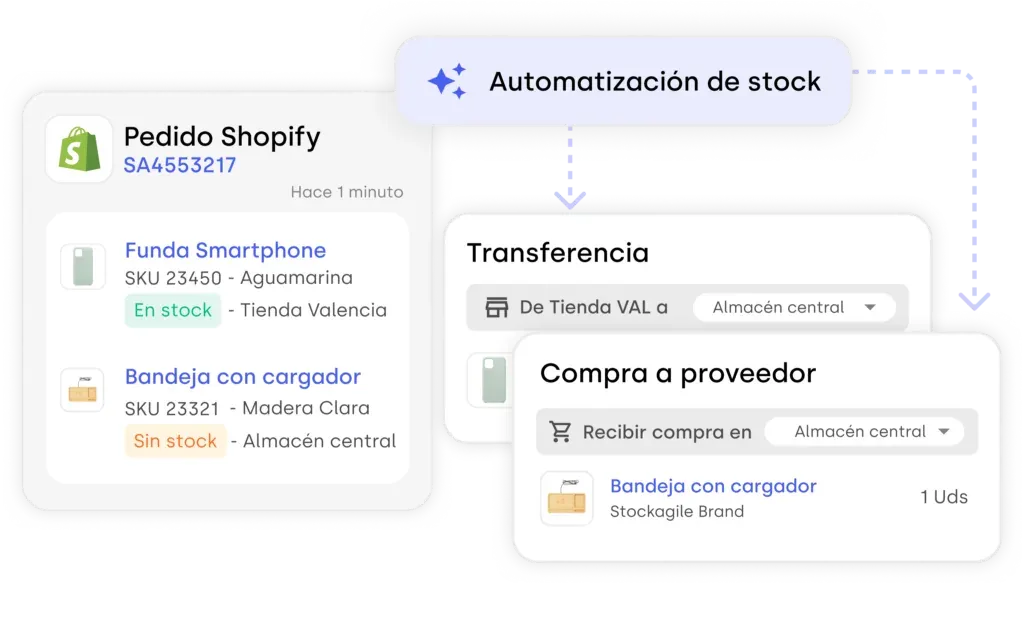
Today there are tools like Stockagile that automate the processing of online orders. These tools create routing rules to prepare orders from the most optimal location, using variables such as stock availability and the location of warehouses and stores. Such solutions not only improve efficiency but also let you keep greater control over the logistics process.
Insourcing fulfillment doesn’t necessarily mean doing everything manually. With the right technology, you can implement systems that automatically handle many of the tasks that traditionally required a great deal of manual work. This ranges from inventory management to shipment tracking and returns handling.
The Impact of Third Party Logistics on E-commerce Profitability
3PLs offer the advantage of forgetting about logistics headaches, but that convenience comes at a cost. In my experience, 3PLs can eat into your margins, hurting the profitability of online sales channels. It’s crucial to run a cost-benefit analysis before deciding to outsource.
The impact of 3PL costs can vary depending on the type of products, the order volume and the complexity of the logistics. In some cases, the benefits of outsourcing can outweigh the additional costs, especially if the company doesn’t have the capacity to manage fulfillment efficiently in-house. However, for companies with tight margins, 3PL costs can be prohibitive.
Examples of In-House Fulfillment Tools: The Stockagile Case
Stockagile is a tool that streamlines in-house fulfillment management, allowing retailers to automate the processing of online orders. Using routing rules, Stockagile can optimize order preparation from the most convenient location, improving efficiency and reducing costs.
By using Stockagile, retailers can keep control over their inventory and fulfillment while benefiting from automation. This tool is especially useful for businesses with physical stores, since it lets them use store inventory to fulfill online orders, thereby optimizing stock utilization.
Future Trends in 3PL Services
The world of 3PLs is constantly evolving. With the adoption of advanced technologies such as artificial intelligence and automation, 3PL services are improving in efficiency and capacity. Some future trends include:
- Automation and Robots: The use of robots for picking and packing is on the rise, reducing processing times and errors.
- AI and Data Analytics: Artificial intelligence is being used to forecast demand and optimize the supply chain.
- Sustainability: There’s a growing focus on making logistics operations more sustainable by reducing the carbon footprint.
Conclusion: Third Party Logistics, Yes or No?
The decision between insourcing fulfillment or outsourcing it to a 3PL depends on multiple factors, including order volume, profit margins and internal logistics management capacity. While 3PLs offer convenience and scalability, it’s crucial to consider their impact on profitability.
In my experience, for businesses with tight margins, insourcing using advanced tools like Stockagile can be the best option. It lets you keep control and optimize costs, improving efficiency without sacrificing profitability.
Ultimately, the choice should be based on a detailed analysis of your business’s specific needs and the advantages each option offers. With the right technology and a well-thought-out strategy, you can make sure your logistics operation supports and drives your business’s growth in the competitive world of e-commerce.
Frequently Asked Questions (FAQ) about 3PLs
When should I consider using a 3PL?
You should consider using a 3PL when your business grows and managing logistics in-house becomes inefficient or costly. It’s also a good option if you want to scale quickly, improve operational efficiency and reduce delivery times.
How do I choose the right Third Party Logistics partner for my business?
To choose the right 3PL, consider factors such as the provider’s experience in your industry, its capacity to handle your order volumes, the technologies it uses, the associated costs and references from other clients.
What’s the difference between a 3PL and a 4PL?
A 3PL manages specific logistics tasks, while a 4PL (Fourth-Party Logistics) acts as a logistics integrator, managing the entire supply chain and coordinating multiple logistics service providers.
Can I combine the use of a 3PL with in-house fulfillment management?
Yes, many companies combine 3PL use with in-house fulfillment management to optimize costs and improve efficiency. For example, you can use a 3PL to handle demand peaks while managing regular orders in-house.
How does reverse logistics (returns) affect the use of a 3PL?
Reverse logistics can be handled by a 3PL, which makes returning products easier. However, it’s important to make sure the 3PL has efficient processes for handling returns, as they can significantly affect costs and customer satisfaction.
What tools can help with in-house fulfillment management if I don’t use a 3PL?
Tools like Stockagile can automate order processing, manage inventory and optimize order preparation from the most convenient location. These solutions improve operational efficiency and help you keep control over your logistics.
Are Third Party Logistics companies suitable for businesses of any size?
Although 3PLs can be beneficial for businesses of any size, they’re especially useful for medium and large companies that handle a high volume of orders. For small businesses, the decision will depend on profit margins and the internal capacity to manage logistics.