
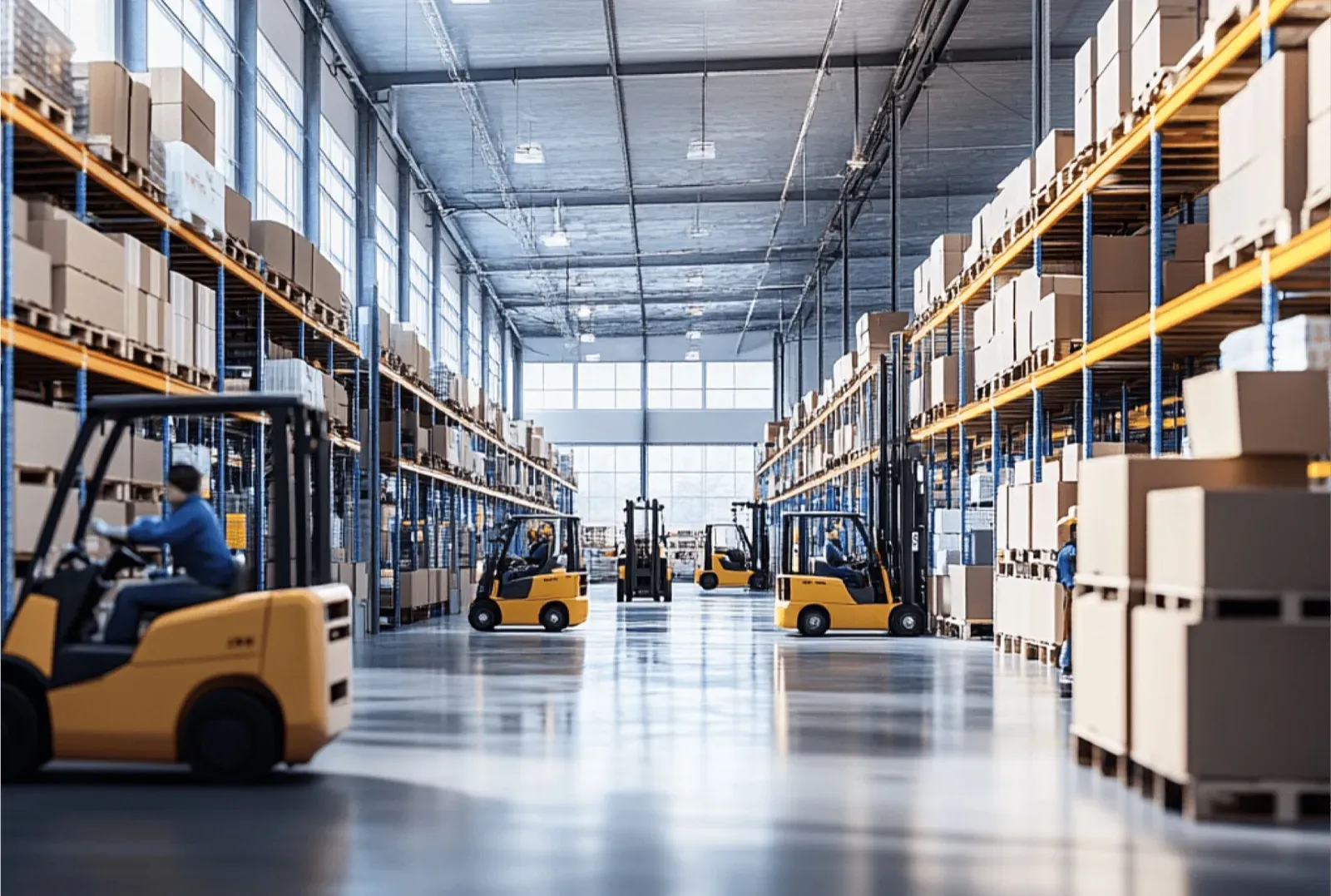
Just-in-Time (JIT) logistics is a revolutionary system that has transformed the way companies manage their supply chains. This methodology, known for its ability to reduce costs and streamline processes, is not only key in sectors such as automotive but has also become a viable strategy for retail businesses. In this article, we’ll take an in-depth look at what Just-in-Time logistics is, its principles, its advantages and drawbacks, and when it’s ideal to apply it.
What is just-in-time logistics?
Just-in-Time (JIT) logistics is a strategic approach to inventory management that aims to minimize product storage by delivering only what is needed, when it is needed and in the exact quantity. This methodology was popularized by Toyota in the 1970s as part of its Production System, with the goal of optimizing resources and reducing waste.
Instead of accumulating large volumes of inventory, JIT allows companies to maintain a constant, efficient flow of products and raw materials, resulting in a significant reduction in storage costs and a boost in operational agility.
For example, in a retail business, JIT logistics could mean receiving merchandise directly in the quantities needed to restock the shelves, thereby avoiding the buildup of unnecessary stock in warehouses.
Source: What Just-in-Time logistics is (Tookane)
Principles and pillars of the Just-in-Time system
The success of the JIT system rests on a series of core principles that enable its correct implementation:
1. Production synchronized with demand
The Just-in-Time system requires production or inventory replenishment to be aligned with customers’ real needs. This means companies must anticipate demand accurately to avoid excess or shortage of stock.
2. Waste reduction
One of the key pillars of JIT is eliminating any process, material or activity that does not add value for the end customer. This includes reducing waiting times, minimizing unnecessary transport and eliminating surplus inventory.
3. Coordination and operational agility
JIT demands excellent coordination among all the processes and players involved in the supply chain. This includes smooth communication with suppliers and the use of technological tools to ensure that every stage of the logistics chain is perfectly synchronized.
4. Strong supplier relationships
JIT relies heavily on trustworthy suppliers who can deliver materials or products on time and in the exact quantities required. Communication and collaboration are essential to keep this flow going.
5. Focus on quality
Since there is no margin for error and no buffer inventory, quality must be a priority at every level. Defective products can disrupt the entire supply chain in a JIT system.
Benefits and drawbacks of Just-in-Time logistics
Benefits of JIT logistics
The Just-in-Time system offers multiple advantages, especially for companies looking to operate efficiently and reduce costs:
1. Lower storage costs
By keeping inventory levels low, companies can significantly reduce storage-related costs, such as space rental, security and maintenance.
2. Greater operational efficiency
JIT encourages process optimization, eliminating unnecessary activities and promoting a continuous workflow.
3. Agile response to demand
JIT logistics enables companies to adapt quickly to changes in customer needs, avoiding the buildup of obsolete products.
4. Waste reduction
With a focus on precise production and distribution, excess materials and products are minimized, contributing to more sustainable practices.
5. Better cash flow
By not tying up capital in large amounts of inventory, companies can direct more resources to other key areas of the business.
Drawbacks of JIT logistics
Despite its benefits, Just-in-Time logistics also presents challenges that companies need to consider:
1. Dependence on reliable suppliers
The success of JIT depends on suppliers who can deliver products on time and with consistent quality. Any delay can bring the entire operation to a halt.
2. Risk from external disruptions
Factors such as natural disasters, logistics problems or global crises can disrupt the supply chain, leaving companies without inventory.
3. Initial implementation costs
Implementing a JIT system may require a significant upfront investment in technology and staff training.
4. Limitations in certain sectors
In businesses with perishable products or high demand variability, JIT may not be as efficient due to the risk of stockouts or product losses.
Source: Just-in-Time logistics (UNIR)
Stockagile helps you with your logistics
Adopting Just-in-Time logistics requires technological tools that enable precise inventory control and efficient supply chain coordination. This is where Stockagile can make the difference.
With our advanced solutions, you can manage your inventory in real time, streamline processes and ensure that every product is available at the right moment and in the right quantity. What’s more, our tools are ideal for both traditional retail businesses and eCommerce, ensuring agile, efficient management.
Standout Stockagile tools:
- Warehouse management (WMS): Control every movement of your inventory with precision and reduce operational errors.
Discover more about the WMS - Marketplace integration: Automate your sales processes across multiple channels, ensuring a constant flow of products and an omnichannel experience.
Learn how to integrate your eCommerce
If you’re considering implementing Just-in-Time logistics in your business, Stockagile is your best ally for doing it effectively.
When should you apply Just-in-Time logistics?
JIT logistics is ideal for companies looking to reduce inventory costs and optimize their supply chain, but its success depends on certain factors:
• Stable demand: If your business operates in a market with little fluctuation in demand, JIT can be a great option.
• Strong supplier relationships: If you have reliable agreements with your suppliers, you can implement JIT with greater confidence.
• Technological capability: Having inventory management and real-time analytics tools is key to JIT’s success.
While JIT can transform a business’s operational efficiency, it’s important to weigh its risks and adapt it to your company’s specific needs.
With Just-in-Time logistics, companies can take their inventory management to the next level. However, it’s essential to have the right tools and strategic planning to make the most of its benefits. Take the next step with Stockagile and transform your logistics!
What is Just-in-Time logistics?
Just-in-Time (JIT) logistics is a management system that aims to minimize inventory, delivering materials and products right when they are needed in order to reduce costs and streamline processes.
What are the principles of Just-in-Time logistics?
The principles of JIT logistics include demand-driven production, the elimination of waste and the continuous improvement of processes to ensure maximum efficiency across the supply chain.
What advantages does Just-in-Time logistics offer?
The main benefits of JIT logistics include lower storage costs, improved cash flow and greater flexibility to adapt to market demand.
What are the drawbacks of Just-in-Time logistics?
The drawbacks include dependence on reliable suppliers, vulnerability to supply chain disruptions and the need for precise planning.
When should I implement Just-in-Time logistics in my business?
JIT logistics is ideal if your business aims to reduce storage costs, has predictable demand and works with reliable suppliers who can guarantee on-time deliveries.
How can Stockagile help with Just-in-Time logistics?
Stockagile offers technological solutions to optimize inventory and warehouse management, making it easier to implement Just-in-Time systems in retail and e-commerce businesses.
Which sectors use Just-in-Time logistics?
JIT logistics is common in sectors such as automotive, technology, fashion and food, where efficiency and a fast response to demand are crucial.
What is the difference between traditional logistics and Just-in-Time?
Traditional logistics tends to keep large inventories to prevent shortages, whereas JIT prioritizes minimizing stock and receiving products only when they are needed.