
E·Commerce Germany News gives us a snapshot of the Spanish market and its important role within the European economy. It is a large market, though a fiercely competitive one.
Spain has a deep love for its culture and homegrown products, even though plenty of global items are available in stores.
But what about e-commerce? Does it hold great potential? What about cross-border shopping? And what do you need to know before entering this market?
Here’s what this blog will cover:
- An overview of e-commerce in Spain
- How would we describe the Spanish consumer?
- What are their payment methods?
An overview of e-commerce in Spain
Spain’s e-commerce market revenue is estimated to reach 21.388 billion dollars by the end of the year and 28.665 billion dollars in 2024. It ranks 13th among the world’s largest e-commerce markets. This year, user penetration stands at 60%, but it is expected to reach nearly 76.8% within four years.
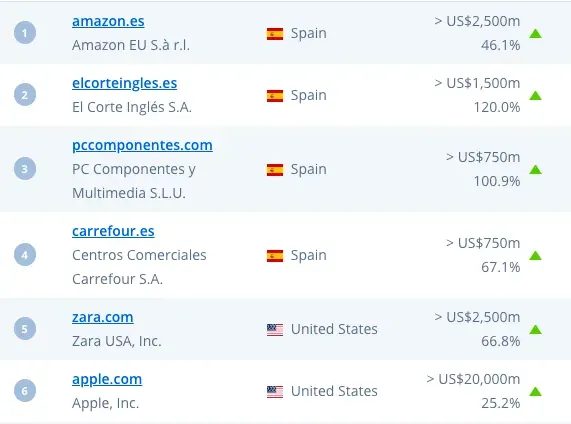
The most important segment of Spanish e-commerce is Fashion, which generates 29% of e-commerce revenue. It is followed by Electronics & Media at 26%. Third place goes to Toys, Hobby and DIY at 18%, and Food and personal care at 15%. Last, furniture and appliances accounted for 11% of e-commerce revenue.
How would we describe the Spanish consumer?
Spain can be called a consumer society. Price is one of the main purchase drivers. Easy payments, promotions and customer service also carry great weight.
E-commerce has plenty of room to grow, as around 40 million people in the country are online. Spaniards spend an average of 460 euros online.
Local products are highly valued by Spaniards; brand popularity doesn’t matter much, and it’s young people who drive this trend, seeking out new products rather than being guided by loyalty.
More than 97% of young people aged 16 to 24 are present online, boosting the popularity of e-commerce. Every website must be clear and trustworthy; from the outset it’s important to know how much you’re paying and why.
For Spanish society, caring for the environment is very important. More and more, consumers in the country pay closer attention to where a given product comes from and its environmental impact.
Where does the Spanish consumer shop? Most cross-border purchases come from Germany, the second country is France, and in third place we have China, Italy and the United Kingdom.
What are their payment methods?
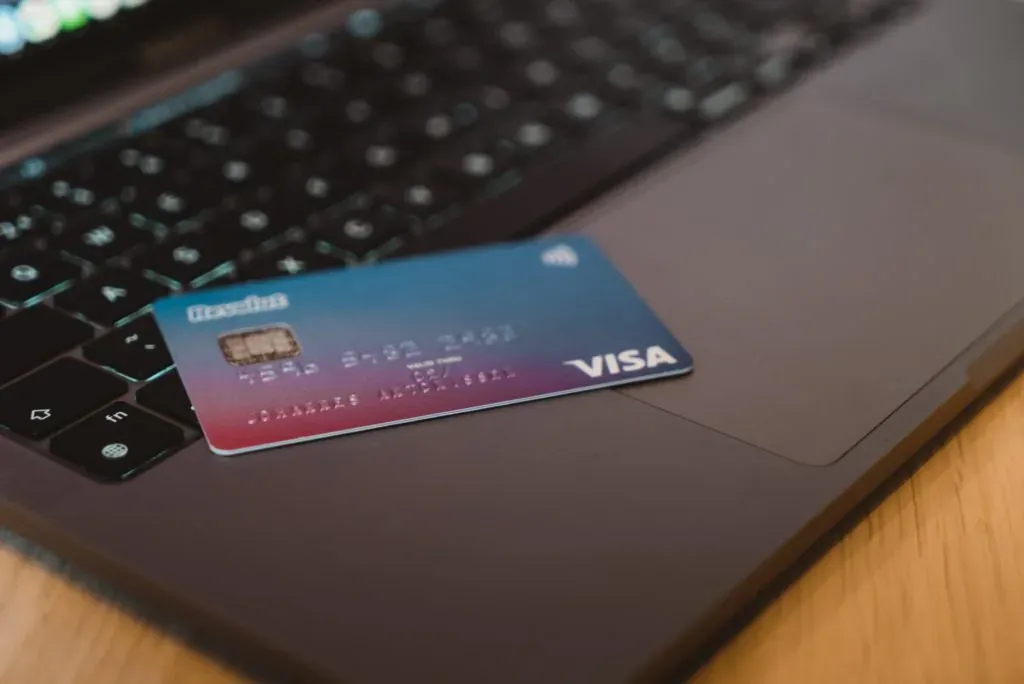
Cards dominate the Spanish market: this method accounts for more than 40% of transactions. As for credit cards, there are around 1.06 cards per capita. Digital wallets are on the rise.
PayPal is the digital wallet Spaniards choose most. However, new players are appearing on the market: Google Pay, Apple Pay and Amazon Pay. Their market uptake is growing steadily.
Bizum is a Spanish app that keeps gaining popularity; it lets users make payments between bank accounts. It is integrated with banking apps and enables real-time settlements.
Spain is a country where e-commerce can thrive. If you want to enter this market, keep in mind the consumer preferences and market conditions outlined above.
See also the 8 keys to success for selling more to your eConsumer.